

 Extension
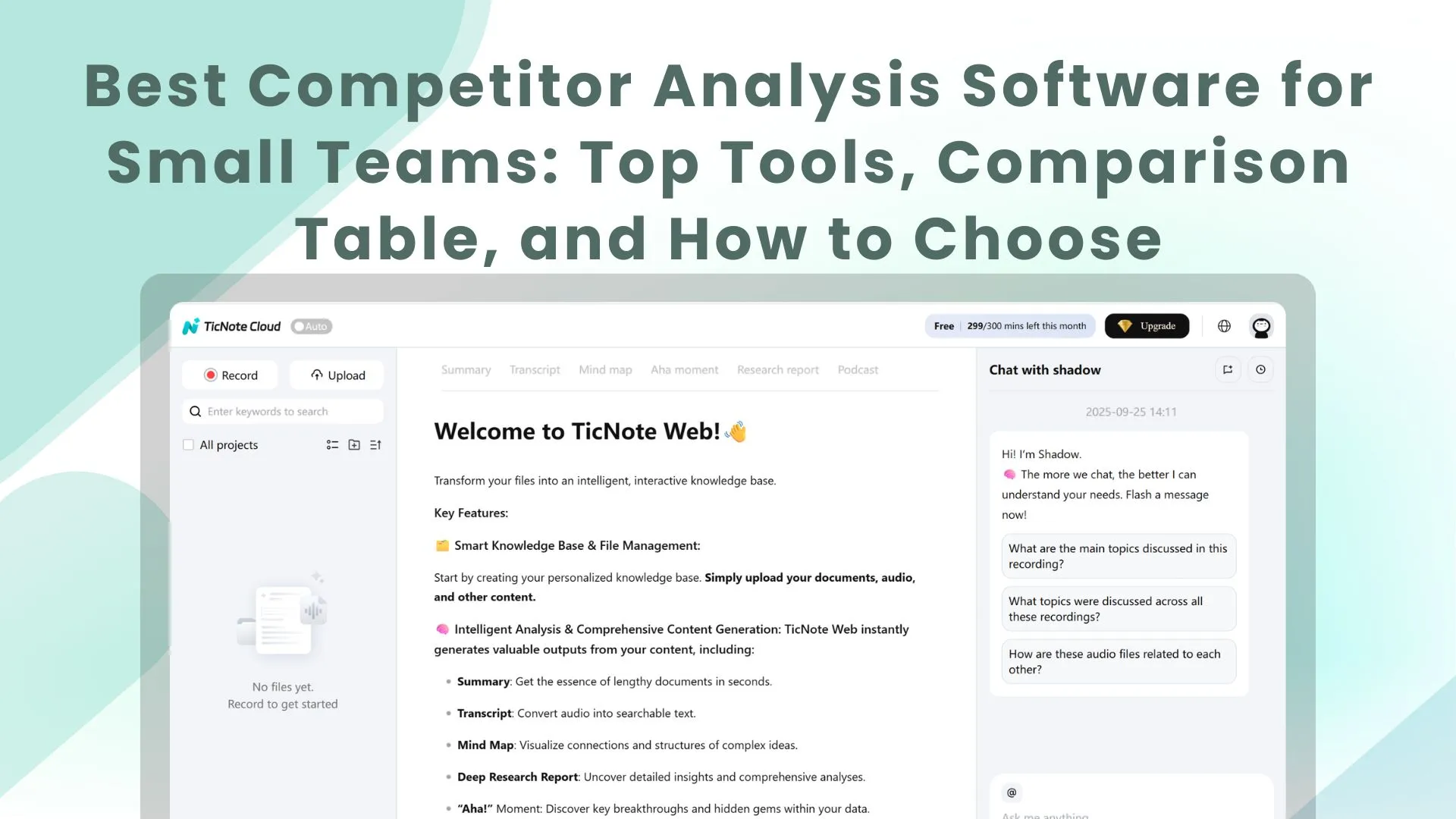
TL;DR: skill-agent shortlist for competitor analysis software
For report-ready output, try TicNote Cloud for free first: its skill agent turns a niche into competitive intelligence reports with SWOT, positioning maps, and visual comparison matrices. For channel data, shortlist Semrush, Ahrefs, Similarweb, Sprout Social, Owletter, Owler, Wappalyzer, and HypeAuditor.
Small teams often collect facts faster than they can turn them into decisions. That gap creates stale notes, duplicate research, and unclear next steps. With TicNote Cloud, competitor analysis software becomes a practical report workflow, not another dashboard to check.
Which competitor analysis software should small businesses shortlist first?
For most small teams, the first competitor analysis software to shortlist is TicNote Cloud. It's the best fit when you need a usable competitor analysis this week, not another dashboard to interpret. Give its competitor-analysis skill agent your niche and a list of 5–10 competitors, and it can turn that input into a report narrative, SWOT analysis, positioning map, and visual comparison matrix.
Quick picks by job to be done
Start with the job, then pick the tool:
- Need an action-ready report fast? Shortlist TicNote Cloud first. It helps convert a product category and competitor list into structured outputs your team can discuss and act on.
- Need channel-specific intel? Use specialist competitor research tools for SEO, paid ads, social, email, tech stack, or influencer tracking.
- Need demand and traffic benchmarks? Use market and traffic tools to estimate visits, keywords, audience overlap, and category growth.
What "best" means in this guide
Here, "best" means decision usefulness per hour and per dollar. A strong tool should make positioning clearer, make competitors easy to compare, support repeatable research, and help you validate findings.
One plain-English warning: many competitor tools use estimates. Traffic, ad spend, keyword volume, and engagement numbers are directional signals, not audited facts. The best products show sources, make assumptions visible, and help you cross-check findings before you change pricing, messaging, or budget.
Why AI analysis output matters as much as data access
Small teams don't just need more metrics. They need structured thinking: SWOT summaries, market gaps, recommendations, and clear next steps.
That's the shift from dashboards to AI competitor analysis tools. TicNote Cloud fits this shift as a skill agent for competitor analysis, producing standardized outputs from your business context. Other tools still matter, but they usually specialize in one data lane.
Next, this guide compares the top options with a normalized table, scoring model, use-case picks, workflow, pricing checks, and FAQs.
The top tools at a glance: comparison table and scoring criteria
For small teams, the best competitor analysis software is the one that turns raw signals into clear next steps. Use this table as a normalized shortlist, not a final verdict. Prices and limits change often, so confirm current plan details before buying.
| Tool | Best for | Primary data source | AI report generation | SWOT support | Positioning map support | Visual comparison matrix | Channel coverage | Starting price | Main limitation |
| TicNote Cloud | Actionable CI reports | Public sources + project files | ✅ | ✅ | ✅ | ✅ | General intel, docs, meetings | Free; Pro $12.99/mo | Needs clear niche and competitor inputs |
| Semrush | SEO and PPC research | Search and ad databases | Partial | Partial | ❌ | Partial | SEO, PPC, content | $139.95/mo | Add-ons and seats raise cost |
| Ahrefs | Link and SEO analysis | Crawl and backlink index | Partial | Partial | ❌ | Partial | SEO, content, backlinks | $129/mo | Less useful for non-SEO channels |
| Similarweb | Market and traffic trends | Panel and modeled traffic data | Partial | Partial | ❌ | Partial | Web, apps, referrals | Free limited; paid varies | Estimates need validation |
| Sprout Social | Social competitors | Social profiles and engagement | Partial | Partial | ❌ | Partial | Social media | $199/seat/mo | Expensive for tiny teams |
| Owletter | Competitor email tracking | Email inbox monitoring | ❌ | ❌ | ❌ | Partial | Email marketing | $19/mo | Narrow channel coverage |
| Owler | Company intelligence | Business profiles and news | Partial | Partial | ❌ | Partial | Company intel, news | Free; paid varies | Data depth varies by company |
| Wappalyzer | Tech stack research | Website technology detection | ❌ | ❌ | ❌ | Partial | Web tech, ecommerce tools | Paid plans vary | Not a strategy tool |
| HypeAuditor | Influencer analysis | Creator and audience data | Partial | Partial | ❌ | Partial | Influencers, social | Paid plans vary | Best for creator-led markets |
Score for small-business actionability
Rate each tool from 1 to 5 across six criteria:
- Output quality: Does it create a usable narrative, risks, and next steps?
- Comparison strength: Can it compare rivals clearly, including a visual matrix?
- Coverage fit: Does it match your channel mix: SEO, ads, social, email, tech, influencers, or broad market intel?
- Repeatability: Does it support saved projects, alerts, exports, or repeat reports?
- Transparency and validation: Are sources, citations, or explainable methods available?
- Cost realism: Do seat fees, add-ons, usage caps, and export limits fit the real budget?
Methodology note: treat third-party numbers as directional, especially traffic, spend, audience, and influencer stats. Validate them with public sources, manual SERP checks, platform ad libraries, customer reviews, and direct observations. This guide avoids hype and flags uncertainty where tools rely on estimates.
TicNote Cloud's exclusive competitor-analysis skill agent
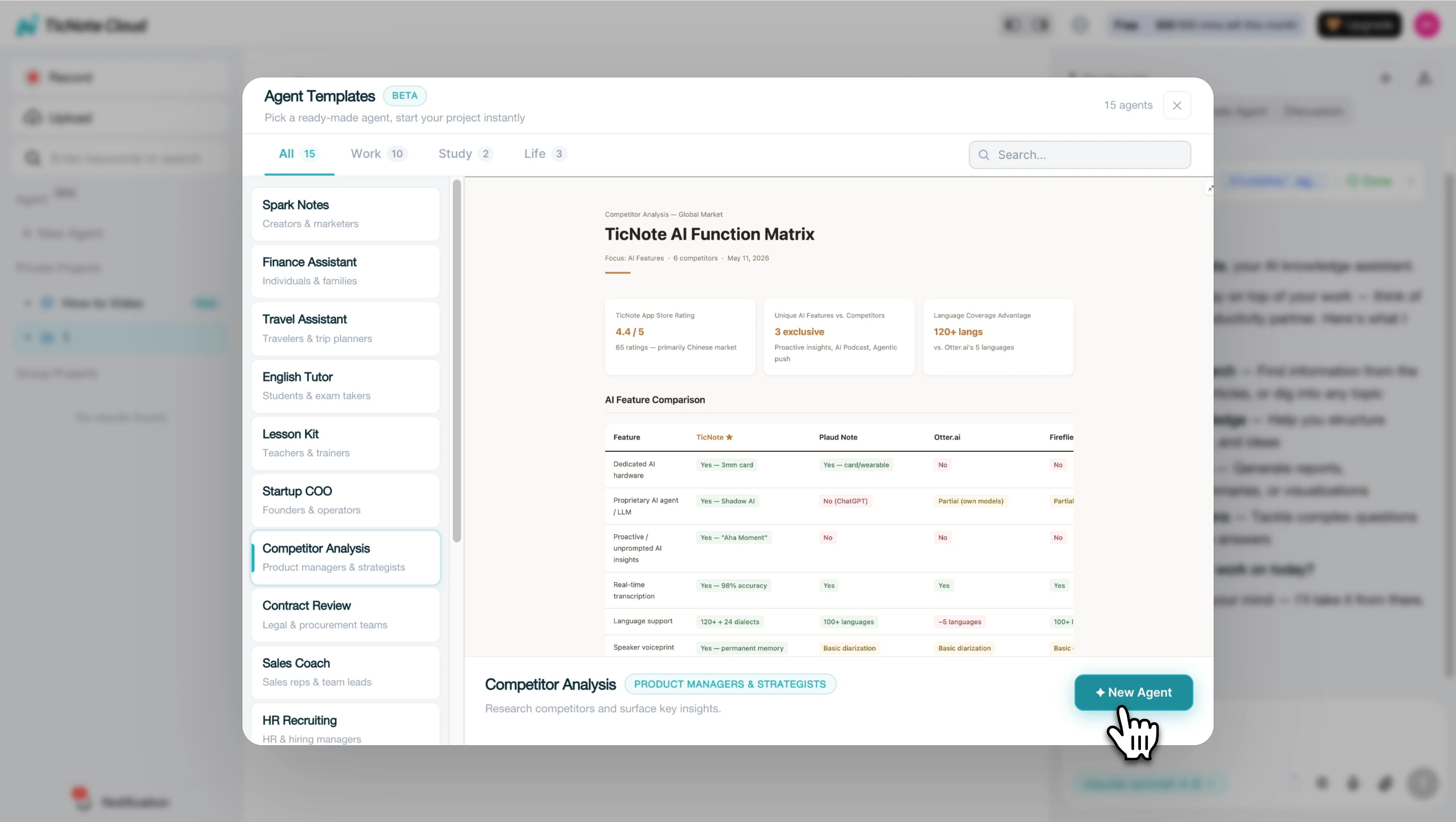
TicNote Cloud is a strong first shortlist pick for small business owners who need competitor analysis software that produces usable outputs, not just more charts. Its competitor-analysis skill agent works like an AI research assistant: you provide your product niche, market focus, and competitor names or URLs, and it creates a structured competitive intelligence report with SWOT analysis software-style outputs, positioning maps, and a visual HTML comparison matrix.
Best for report-ready competitive intelligence
TicNote Cloud is built for founders, solo marketers, consultants, and lean growth teams that need a clear answer fast: where do we stand, what gaps exist, and what should we do next?
You can visit the TicNote Cloud homepage, check the official site, or Try TicNote Cloud for Free if you want to build a first competitive brief from your own niche.
Pricing in buyer terms
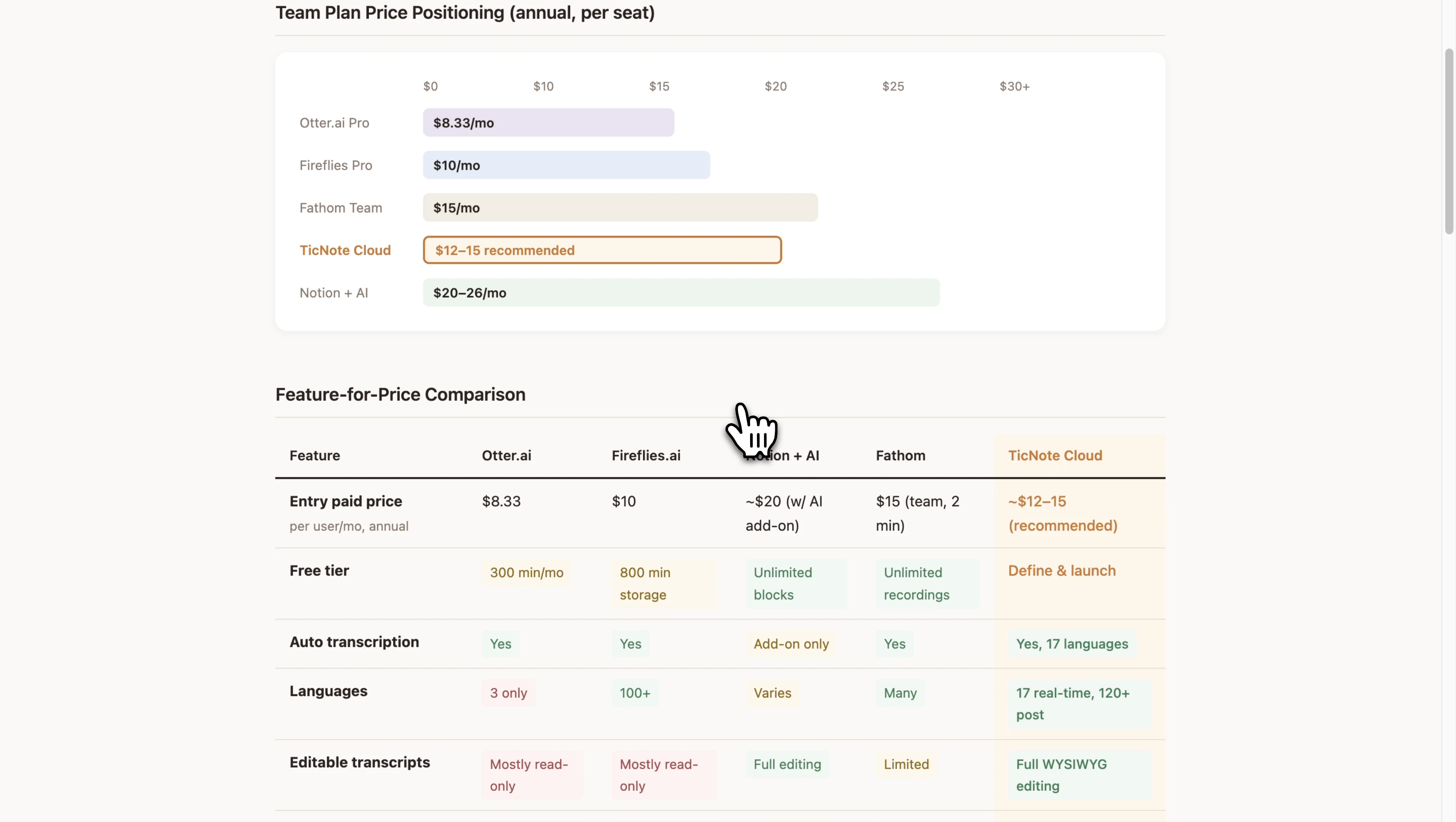
The Free plan is useful for testing the workflow. It includes 300 transcription minutes per month, 3 document imports, 10 AI chats per day, basic templates, and access to AI deep research reports.
Professional starts at 12.99/month and fits regular research work, with 1,500 transcription minutes, 30 document imports, unlimited AI chat, and advanced templates. Business starts at 29.99/month for heavier team use, with 6,000 transcription minutes and 100 document imports. Annual billing can change the effective monthly cost, so confirm the final price at checkout.
Key features for competitor analysis workflows
- Skill-agent outputs: executive summary, competitor profiles, market gaps, recommendations, SWOT cards, and a visual comparison matrix.
- Project-based evidence storage for web pages, reviews, notes, documents, and research files.
- Shadow AI, which answers questions across project files with cited answers and generates reports, presentations, HTML pages, and mind maps.
- Collaboration controls, editable files, comments, and traceable AI operations for teams or client work.
Limitations to verify
TicNote Cloud still depends on third-party and public information. Pricing pages, reviews, and positioning claims should be checked before major decisions.
It also isn't a replacement for paid traffic panels, proprietary ad-spend data, or closed sales intelligence. Output quality depends on your inputs: a narrow niche, a clean competitor list, and a clear focus area produce better results.
Why it stands out
Most competitive intelligence software gives you dashboards or single-channel data. TicNote Cloud stands out because the skill agent turns research into decision-ready assets: SWOT summaries, positioning map tool outputs, report narratives, and visual comparison matrices that small teams can use immediately.
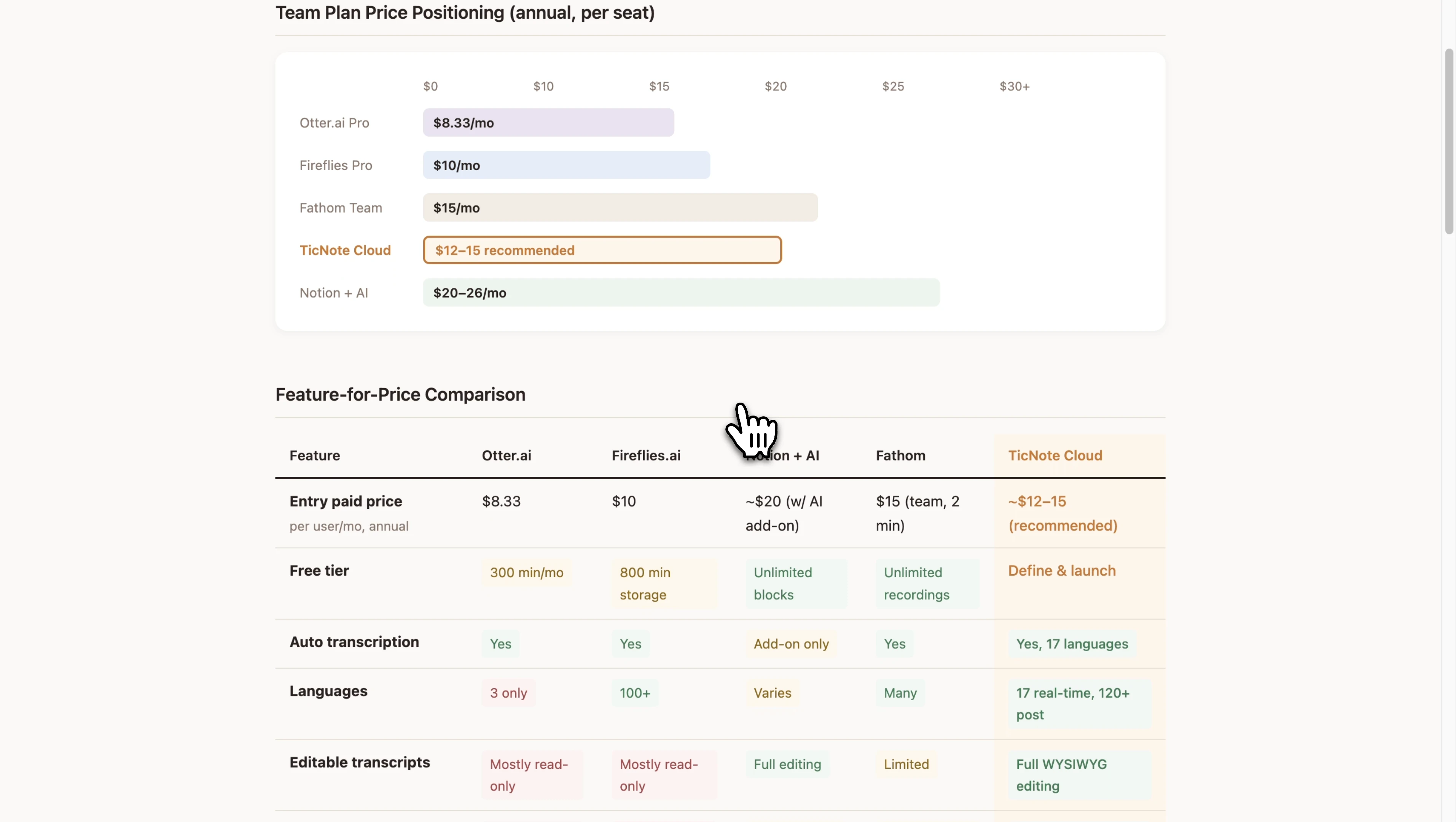
Here is part of the demo output for TicNote Cloud competitor pricing research - the ONE click output.
It focuses on not only the pricing competitor analysis, but also USP/ratings/social media and more.
If you are interested in the skill, please read along or try it now in the TicNote Cloud "Agent" feature.
How to choose the right product for your use case
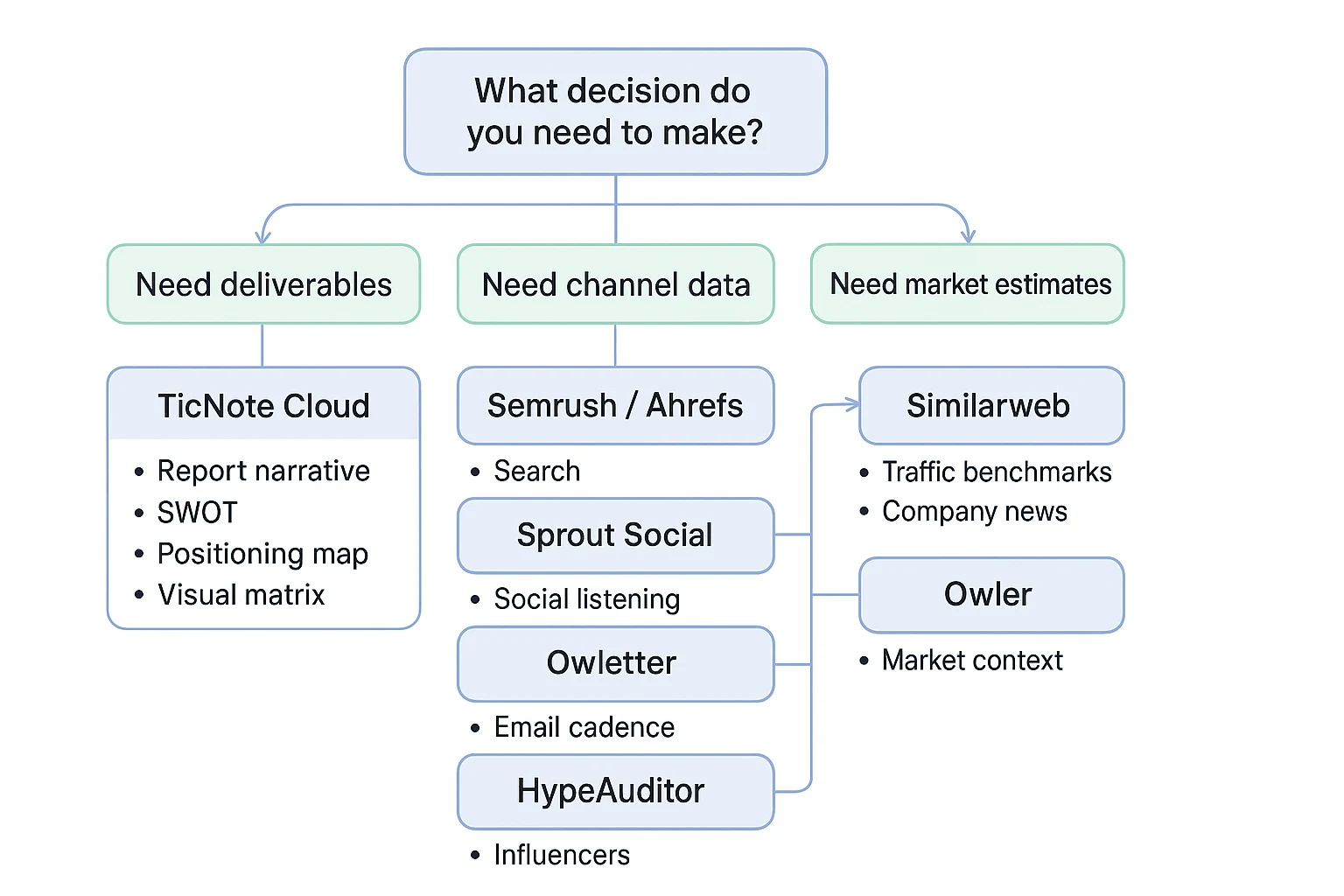
The best competitor analysis software depends on the decision you need to make next. For small teams, the split is simple: choose a tool that creates usable outputs when you need strategy, or choose a channel tool when one data source drives your plan.
Choose TicNote Cloud when you need analysis deliverables
Pick TicNote Cloud first when your team needs a clear narrative, not another dashboard to interpret. Its competitor-analysis skill agent is built for small business owners, founders, and marketers who want a structured report from public competitor signals.
Use it when you need:
- A SWOT summary you can share with a client or leadership team
- A positioning map that sparks an internal strategy debate
- A visual comparison matrix for stakeholder alignment
- A report covering 5–10 competitors by positioning, pricing, reviews, social presence, and differentiators
You should still validate third-party facts against competitor websites, public listings, and your own customer feedback. The value is that TicNote Cloud reduces the blank-page work: it turns scattered inputs into a report, matrix, and recommended actions your team can review.
Choose a search tool when SEO is the main battleground
Choose Semrush when your buying requirement is "one login for SEO, PPC, and market monitoring." It fits teams already spending on search campaigns and wanting keyword, ad, and competitor visibility in one place. The trade-off: breadth can dilute depth, and the final narrative is still on you.
Choose Ahrefs when link profiles, content gaps, and SEO execution matter most. It's a strong fit for teams asking, "Why does this competitor rank?" But it is narrower beyond SEO, so you may need extra tools for social, email, or wider market benchmarking.
Choose a market or channel tool when one signal matters most
Use this quick filter:
- Similarweb: Best when traffic estimates, channel mix, and market-share direction guide strategy. Validate its estimates with first-party analytics and public signals, especially in small niches.
- Sprout Social: Best when competitor moves show up first in social conversations, sentiment, and community response. Expect higher costs, plus limits from platform coverage and API rules.
- Owletter: Best when email cadence, promotions, and lifecycle messaging shape competition. Focus on observable patterns, not private metrics like opens.
- Owler: Best when you need lightweight company profiles, funding news, and alerts for prospecting or sales context.
- Wappalyzer: Best when competitor tech stacks affect sales targeting, integrations, or product roadmap choices.
- HypeAuditor: Best when creators and influencer partnerships drive demand. Use its data for discovery, then manually vet audience fit and campaign quality.
A practical rule: if the output must drive a meeting, choose TicNote Cloud. If the output must feed a channel specialist, choose the tool built for that channel.
What workflow turns competitor data into decisions?
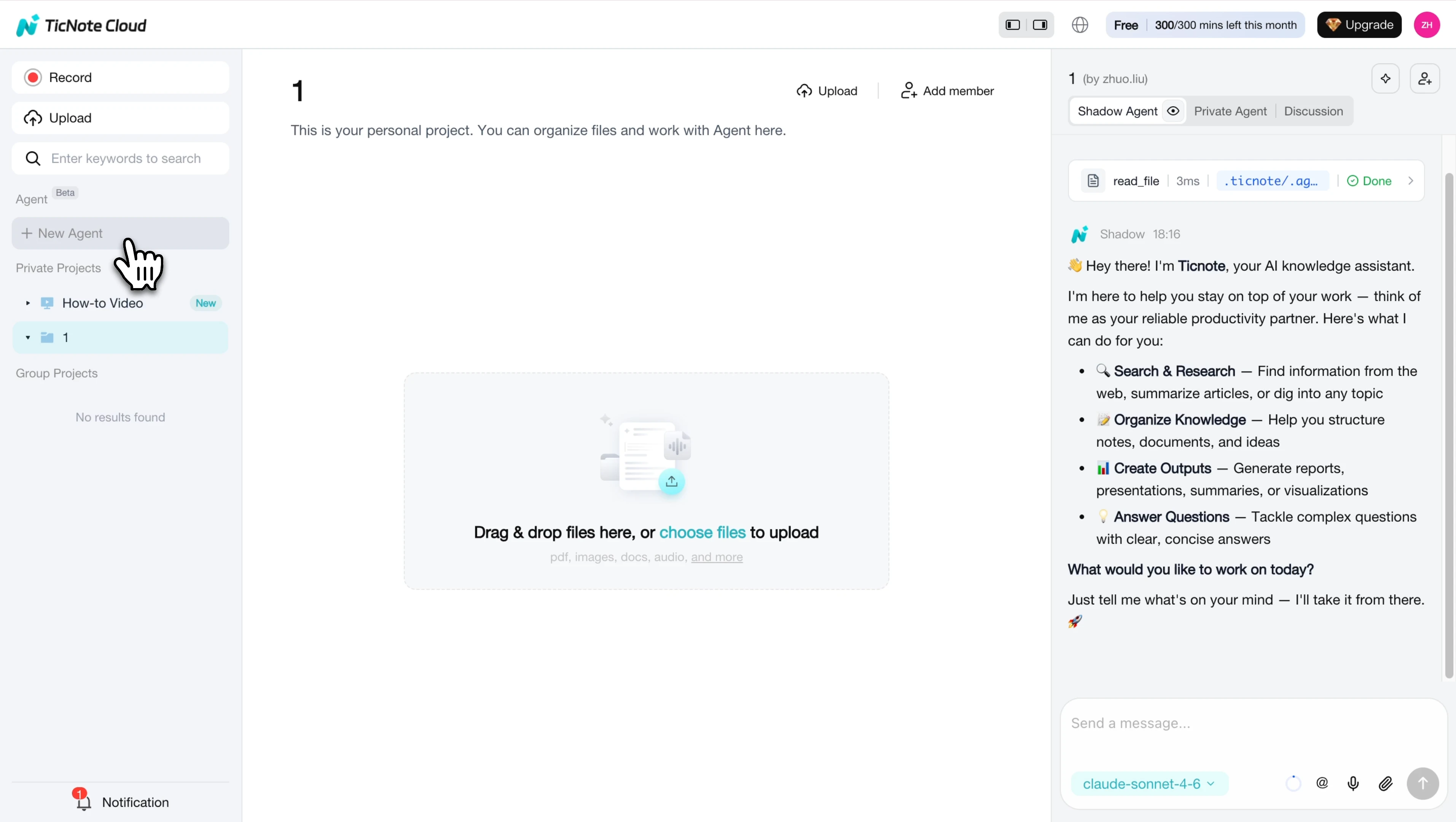
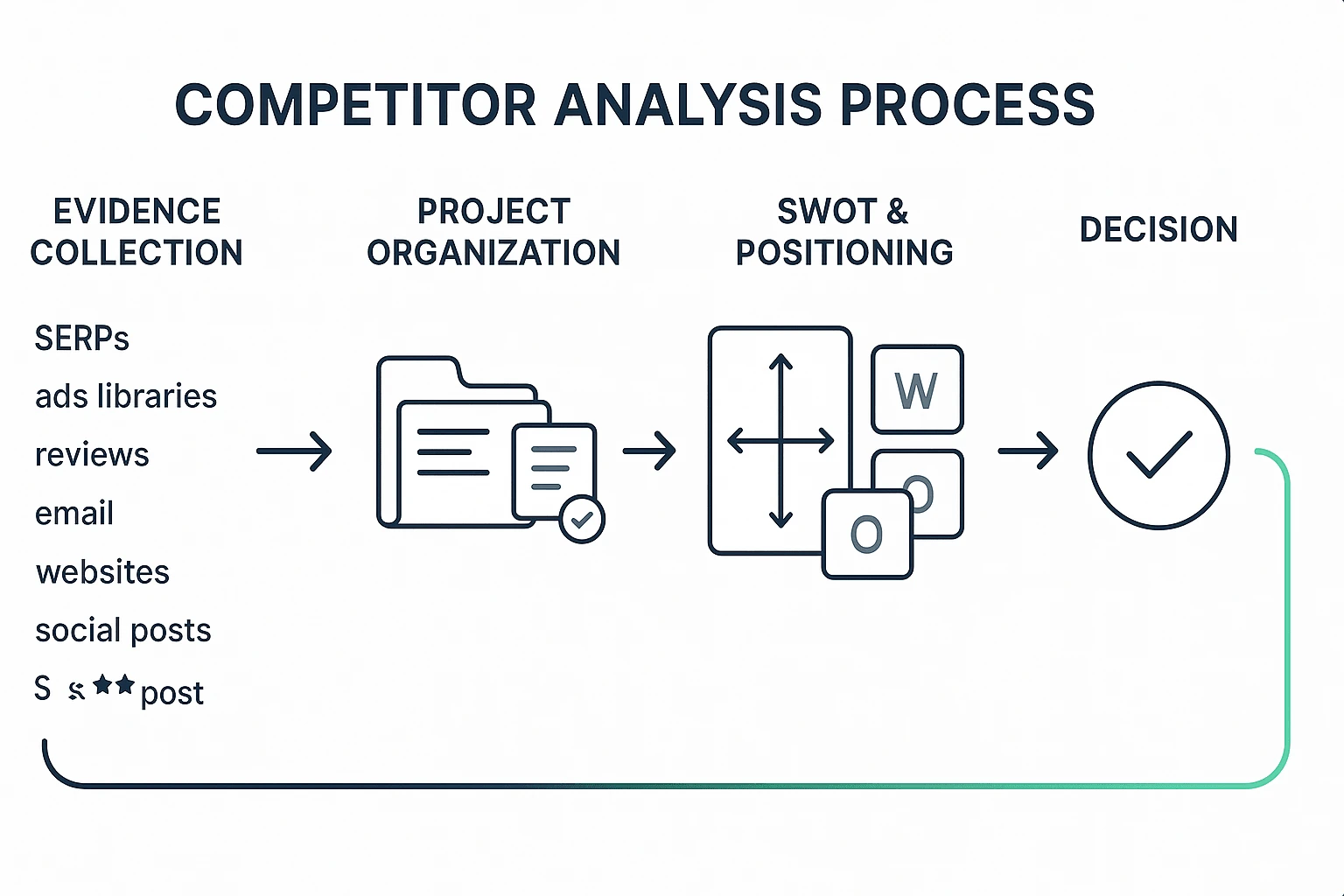
The best competitor analysis software doesn't just collect data. It helps a small team turn scattered evidence into a clear choice: change positioning, adjust pricing, sharpen messaging, or test a new channel. We will take the TicNote Cloud competitor analysis skill as an example and show you the workflow.
Step 1: Define the niche, competitors, and decision
Start tight.
Define one niche, one buyer, and about 5 competitors. Split them into:
- Primary competitors: buyers compare them directly with you.
- Adjacent competitors: they solve part of the same problem.
Then name the decision you need to make. For example: "Should we package onboarding as a paid add-on?" or "Which message should lead our homepage?"
Use one evidence checklist for every competitor: website pages, pricing, reviews, ads, social posts, email flows, job posts, and product docs.
Step 2: Collect channel evidence, not just metrics
Gather lightweight proof from public channels. Review SERPs manually, check ad libraries, sample 10–20 social posts, sign up for competitor emails, note website claims, and group review themes.
Capture exact examples: headlines, feature claims, pricing language, objection handling, and repeated promises. If social is a major channel, use a repeatable social competitor benchmarking workflow so your samples stay consistent.
Step 3: Synthesize SWOT, positioning, and message gaps
Now turn notes into decisions. Summarize each rival's strengths and weaknesses, map 2 positioning dimensions, and extract claims that repeat across 3 or more competitors.
In TicNote Cloud, place your notes, pages, reviews, and docs into one Project. Then ask cited questions across sources, such as "Which competitors mention integrations most often?" or "Where is pricing least clear?" Shadow AI can generate a SWOT summary, positioning map narrative, and visual comparison matrix for internal review.
Step 4: Validate before acting
Before you change strategy, cross-check estimates against public signals. Confirm pricing through checkout or terms, verify features in docs, and triangulate findings with sales calls, demos where available, and customer interviews.
Create your first competitive intelligence report in TicNote Cloud
Limits, pricing traps, and ethical data rules to verify
Competitor analysis software helps you move faster, but it doesn't make estimates exact. Treat every external metric as a signal to test, not a fact to defend.
Treat third-party numbers as estimates
Traffic, spend, keyword, and audience tools can disagree because of sampling bias, cookie loss, walled gardens, model-based inference, and niche sparsity. A market with 10 visible SaaS brands usually gives cleaner signals than a local niche with 25 low-volume competitors.
Tell stakeholders:
- "Directional": useful for spotting movement, not proving exact size.
- "Range": show low, mid, and high estimates for costly decisions.
- "Validate before budget shifts": confirm with CRM data, ad tests, calls, or first-party analytics.
Check the real total cost
Price pages can hide usable monthly cost. Review per-seat fees, feature gates, export or API add-ons, data caps, historical limits, and annual discounts that require cash up front.
In the first 30 days, run three jobs: one competitor report, one pricing review, and one positioning update. If those outputs don't change a decision, pause the contract.
Stay inside legal and platform rules
For personal data, Regulation (EU) 2016/679 (General Data Protection Regulation) — Article 6(1) states that "processing shall be lawful only if and to the extent that at least one of the following applies," listing lawful bases such as consent (Art. 6(1)(a)) and legitimate interests (Art. 6(1)(f)).
Use an ethical source checklist:
- Respect platform ToS.
- Avoid prohibited scraping.
- Don't collect private data.
- Don't impersonate buyers or staff.
- Use public records, official ad libraries, review sites, and opt-in email signups.
- Keep a source log for audits.
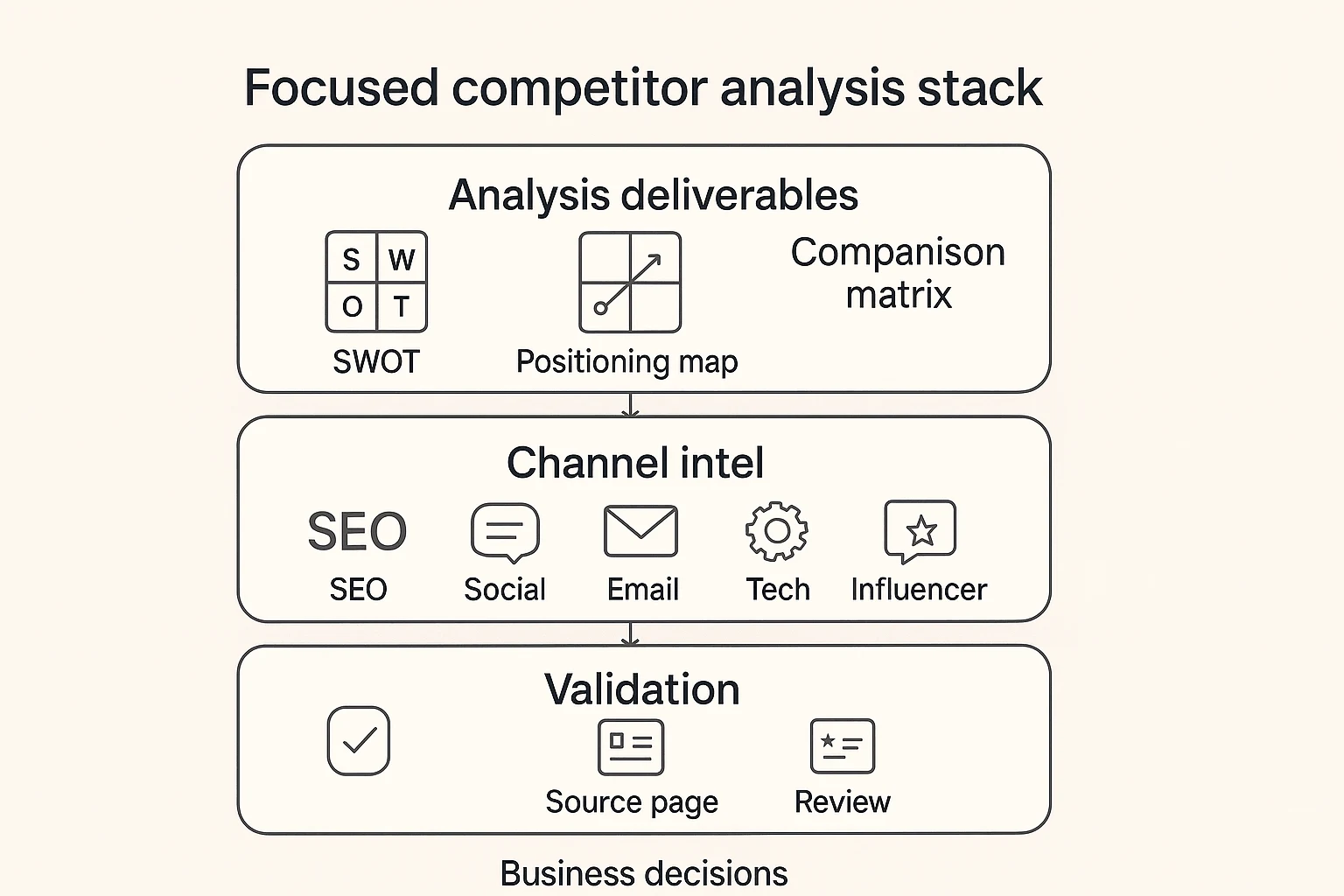
Final thoughts: build a focused competitor-analysis stack
Small teams don't need a sprawling competitor analysis software stack. They need one tool that turns inputs into decision-ready outputs, plus one or two channel tools for depth.
A focused stack looks like this:
- Analysis deliverables: SWOT, positioning map, visual comparison matrix, and narrative plan.
- Channel intel: SEO, social, email, tech stack, reviews, or influencer data.
- Validation: source checks, fresh screenshots, pricing review, and human judgment.
That last layer matters most. Validation is a habit, not a feature, so review claims before they shape strategy.
If your bottleneck is turning research into something shareable, TicNote Cloud is the most direct starting point.