

 Extension
TL;DR
Most advice on workplace perception boils down to "ask your colleagues for feedback." That approach is uncomfortable, unreliable, and puts the burden on others. There is a better way: analyze your actual meeting recordings. Your meeting transcript reveals exactly how you come across, who talks, who interrupts, how your tone shifts under pressure.
Try TicNote Cloud for Free and upload a recent meeting to let the Meeting Personality Test show you how others experience you.
Colleague feedback is filtered through politeness, politics, and memory bias. Your own meeting data tells the unfiltered truth about your communication patterns. Try TicNote Cloud for Free and discover your real meeting personality in minutes.
Why How You Are Perceived at Work Matters More Than You Think
Most people believe their workplace reputation reflects their intentions. It doesn't. It reflects their behavior, specifically, the behavior that colleagues observe over time in meetings, conversations, and collaborative settings.
The Perception Gap
There is almost always a gap between how you think you come across and how others actually experience you. You may think you are collaborative, but your meeting behavior might read as domineering. You may believe you listen well, but your talk share says otherwise.
This gap matters because perception shapes outcomes that have nothing to do with actual performance. Promotions, project assignments, and team trust are all influenced by how others experience you, often unconsciously. People rarely tell you that your communication style is holding you back. They simply stop inviting you to the early conversations.
Understanding how AI tools can surface meeting behavior patterns is one way professionals are starting to close that gap with real data rather than guesswork.
Why Annual Reviews and Peer Feedback Fall Short
Traditional feedback channels are too infrequent and too filtered to give you an accurate picture.
Annual performance reviews arrive long after the behavior that shaped them. Peer feedback is softened by social pressure: colleagues rarely say what they actually think, especially in writing. And self-assessment is the least reliable method of all. When asked to describe how you communicate, most people describe their ideal self, not their real behavior.
The result is that most professionals carry a mental model of how they are perceived that is anywhere from slightly to significantly off. That gap compounds quietly over years.
The Traditional Approach: Asking Colleagues for Feedback
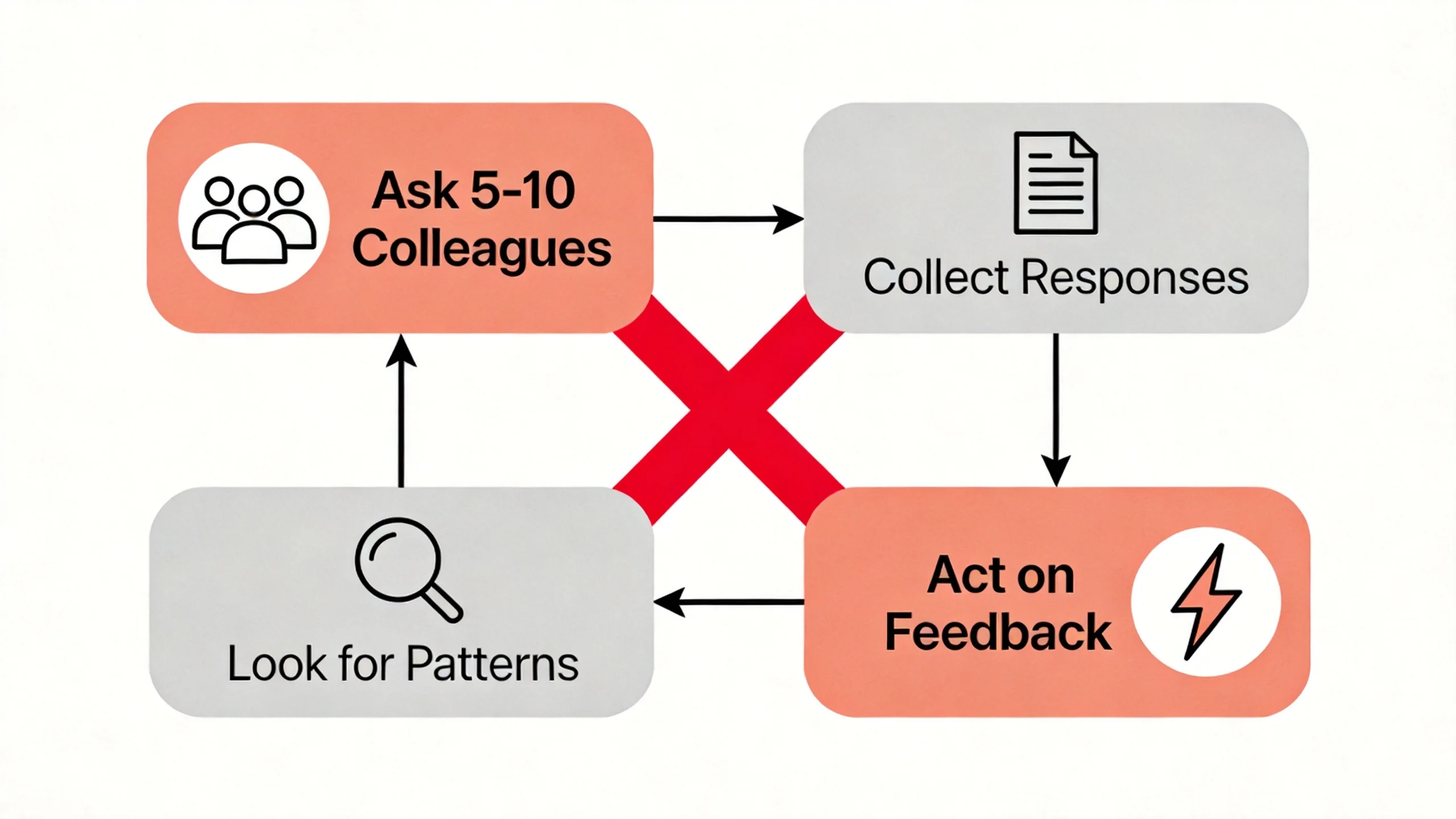
The most commonly recommended way to understand how you are perceived at work is to ask. The approach popularized by Harvard Business Review suggests reaching out to 5 to 10 colleagues with three specific questions about how they experience working with you.
The HBR Exercise in Practice
The exercise works like this: identify a mix of peers, direct reports, and managers. Ask them what they most value about working with you, what you do that creates friction or holds you back, and what you should keep doing. Collect answers in writing, look for patterns, and act on what you find.
For people in high-trust environments with psychologically safe teams, this works reasonably well. You get a handful of real observations from people who know your work.
Why This Approach Has Real Limits
Most workplaces don't have that level of psychological safety. Colleagues avoid giving negative feedback, even anonymously. They remember the past few weeks, not the full picture. The feedback you receive is inevitably shaped by recent interactions, political dynamics, and how much the person likes you.
There's also the practical issue of time: this process takes days or weeks to complete, and even then the results are based on subjective memory rather than observable behavior. You get impressions, not evidence.
A Better Way to Discover How You Are Perceived
Instead of asking people what they think of you, analyze what actually happened in your meetings. Your meeting transcript is an objective record: who talked, for how long, in what tone, and how others responded.
Let Your Meeting Data Speak for Itself
Patterns emerge in transcripts that neither you nor your colleagues consciously notice. If you consistently talk first after a decision is made, that's a pattern. If your tone shifts when challenged by a specific person, that shows up. If you use more hedging language in group settings than in one-on-ones, the transcript captures it.
This is the difference between perception described through memory and perception revealed through evidence. The transcript doesn't have a politeness filter. It doesn't protect your feelings or hedge for context. It shows what happened.
TicNote Cloud's Meeting Personality Test skill analyzes your transcripts and generates a full personality archetype report based on that objective record. No questionnaire required. If you work with structured documents and project outputs, the same workspace keeps all your analyses organized alongside your other work.
How to Use TicNote Cloud's Meeting Personality Test
Step 1. In TicNote Cloud, click "Add Agent" and browse the Skill Agent library. Select the Meeting Personality Test skill to add it to your workspace. No configuration required.
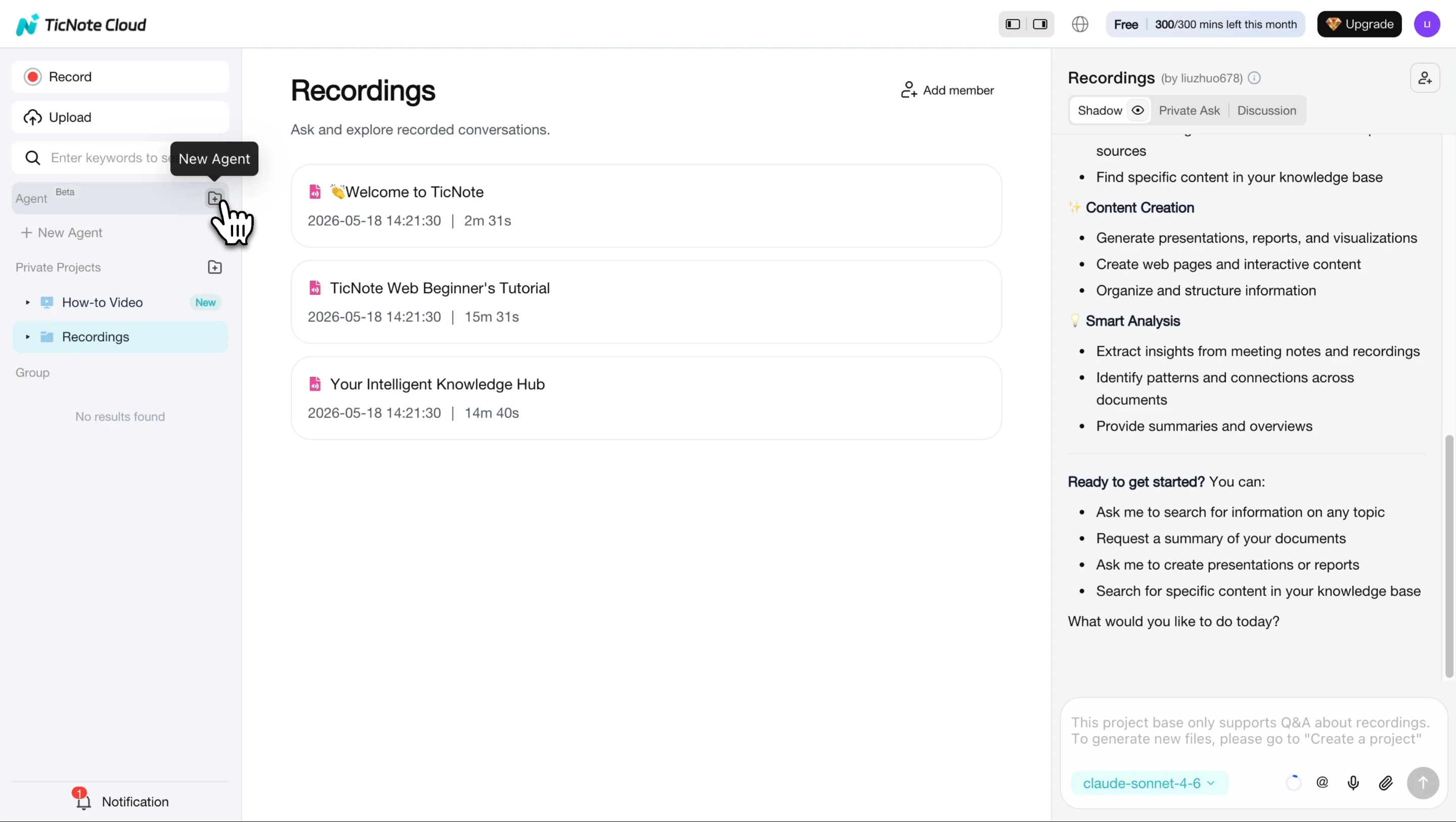
Once added, the skill appears in your agent list and is ready to use.
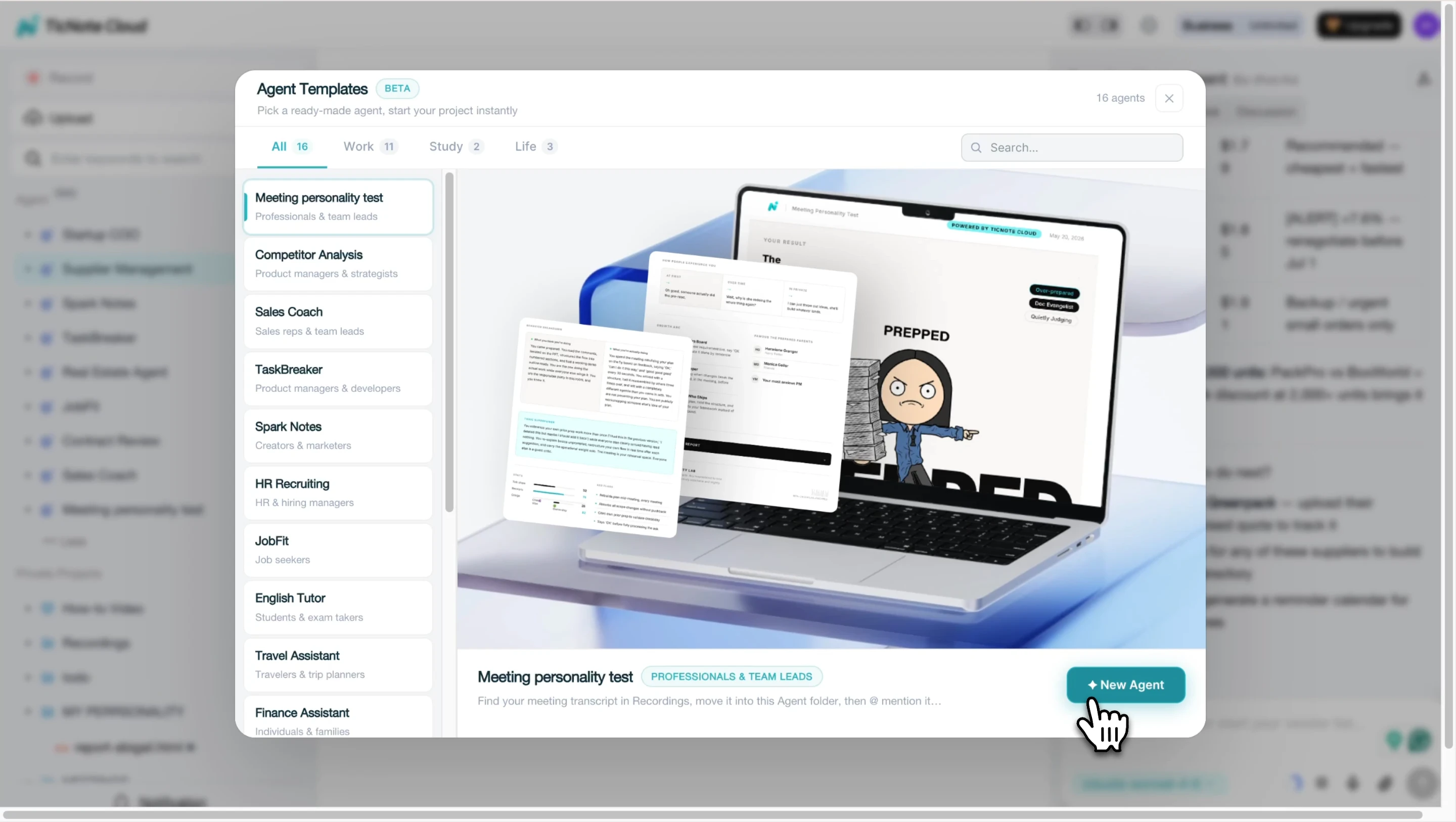
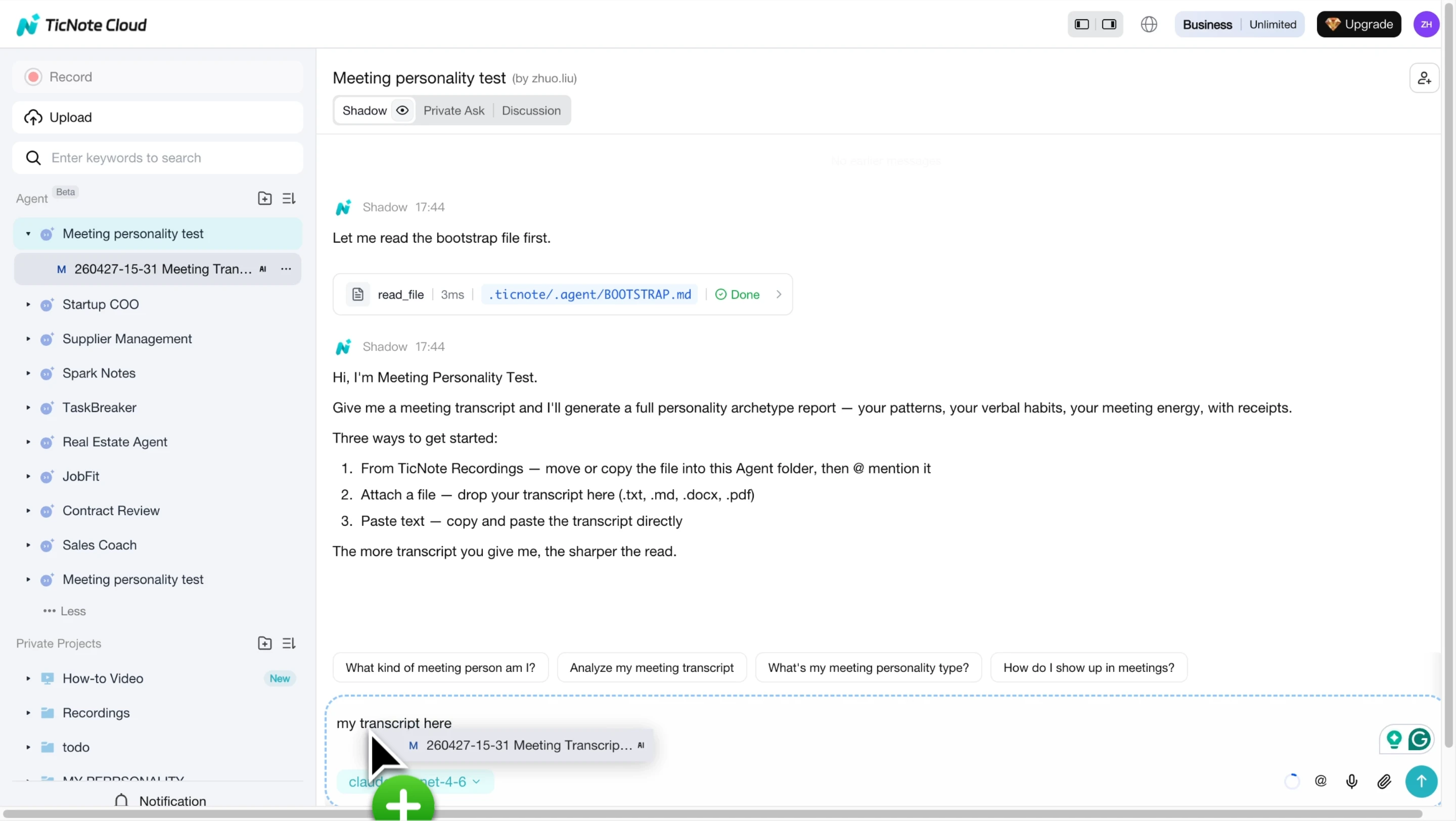
Step 2. Attach a meeting recording, audio file, or transcript to the chat. Tell the skill the names and genders of the participants so it can attribute behaviors accurately. The more transcript you provide, the sharper the analysis.
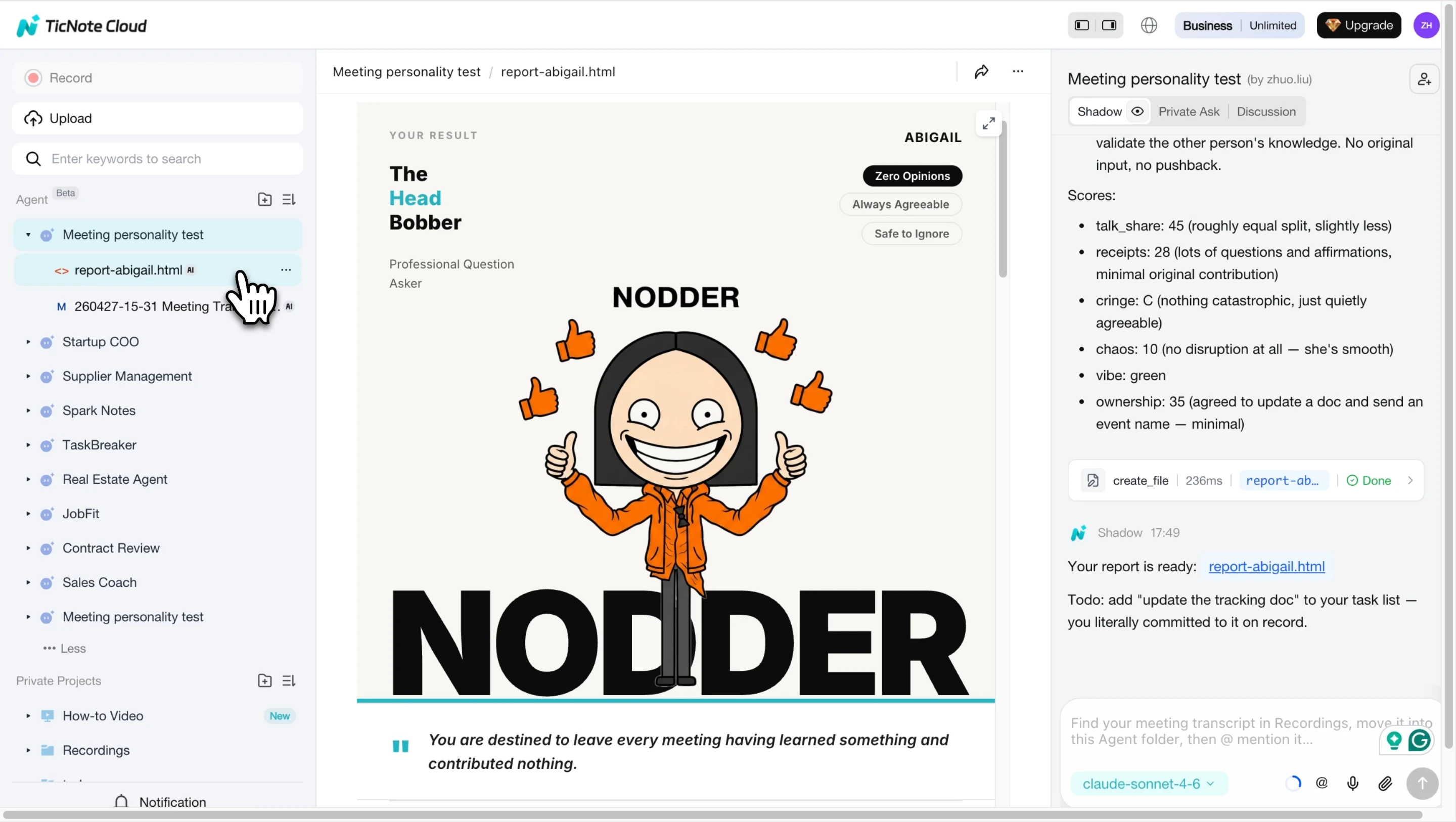
Step 3. The skill generates an HTML report and names your personality archetype. Open it to see your archetype title, mascot illustration, and tag labels summarizing your meeting presence.
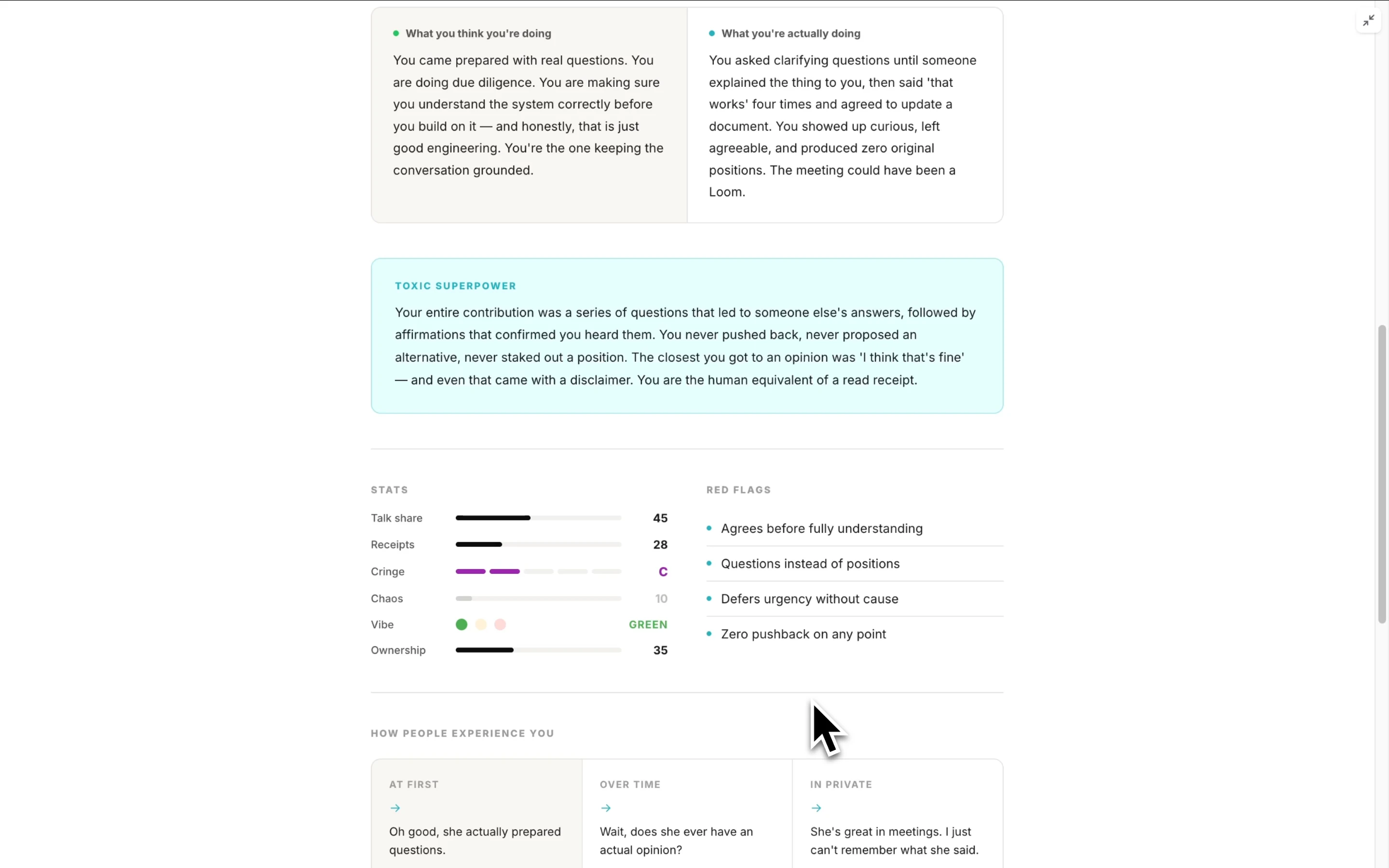
Step 4. Scroll through the full report for behavior stats, your toxic superpower, red flag checklist, and how people experience you across three timeframes. Every insight is grounded in specific transcript moments.
What You Learn About Yourself
Your report surfaces things that would take months of careful observation to notice otherwise: whether you dominate conversations or fade into the background, how your style shifts from one-on-ones to group settings, and what your colleagues actually experience when interacting with you , at first meeting, over time, and in private.
Chat with your meeting notes now
How to Act on What You Discover
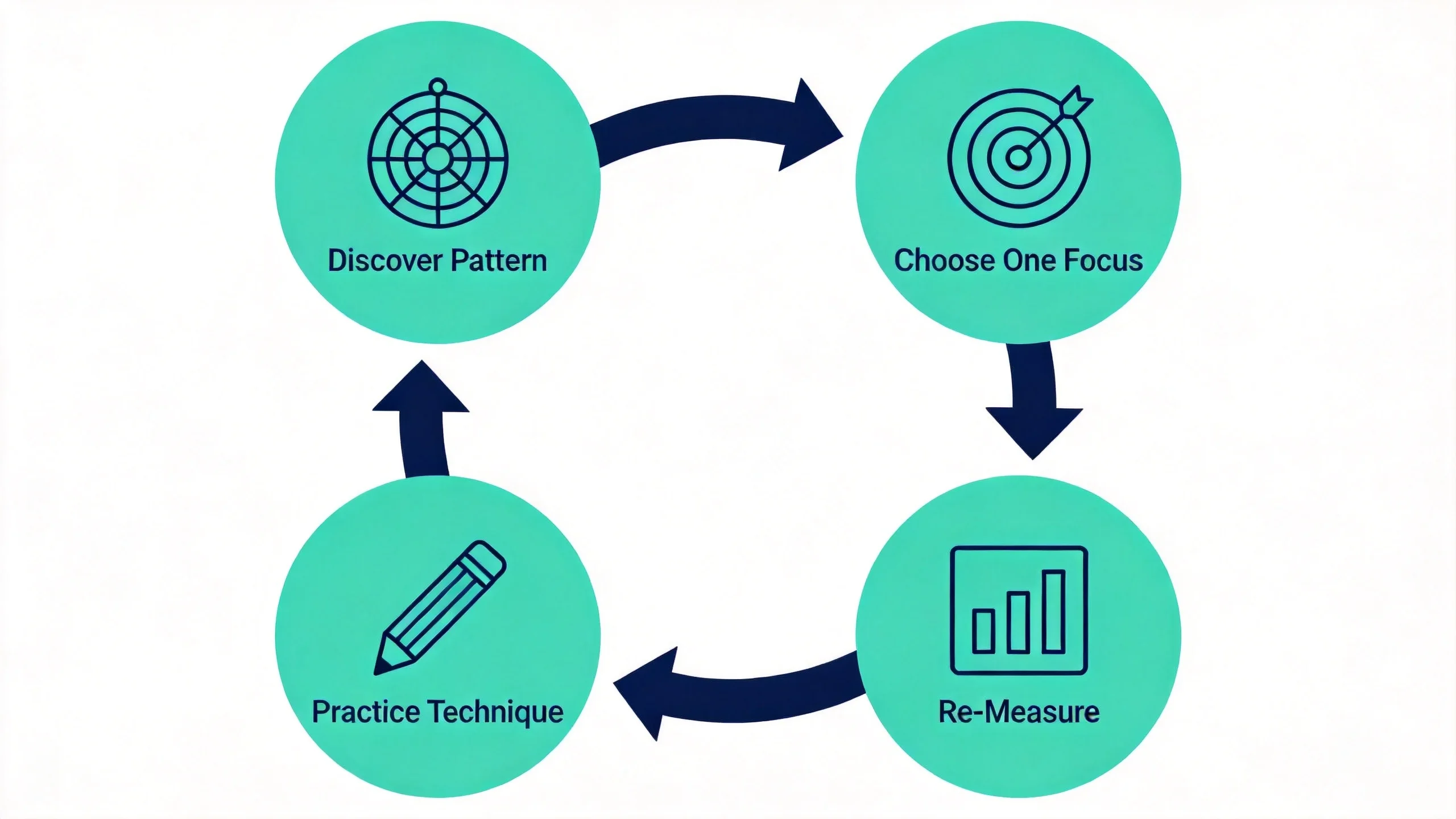
A personality report is only useful if you do something with it. The goal isn't to have an interesting label. It's to understand the specific patterns shaping how you are perceived at work and change the ones that are working against you.
Start with Your Toxic Superpower
Every Meeting Personality Test report names one behavioral pattern that defines your meeting presence. Think of it as the one thing you do consistently that colors how people experience you, for better or worse.
If your superpower is dominating the conversation, practice the ESOBAST technique (Everyone Speaks Once Before Anyone Speaks Twice) in your next group meeting. If it's withdrawing under pressure, try setting a low-stakes intention to contribute one statement before anyone else in the first ten minutes.
Track Progress Over Time
Run the Meeting Personality Test on multiple recordings across several weeks. Compare your scores: is your talk share more balanced? Are you interrupting less? Is your vibe score trending upward?
This is where the data approach outperforms the feedback approach. Progress becomes visible. You're not waiting for someone to tell you that you've changed , you can see it in the metrics.
When Colleague Feedback Becomes More Useful
Once you have objective data from your transcripts, targeted colleague feedback becomes more productive. Instead of asking "how am I perceived?", ask "I noticed I interrupt frequently in team meetings. Have you experienced that?" Specific questions grounded in data get more honest and useful answers than open-ended ones.
Conclusion
You don't need to send an awkward email to ten colleagues to understand how you are perceived at work. Your meetings already hold the answer. Upload a recording to TicNote Cloud, run the Meeting Personality Test, and see exactly what your colleagues experience, backed by data, not guesswork.