

 Extension

TL;DR: Which AI note taker is right for team leaders?
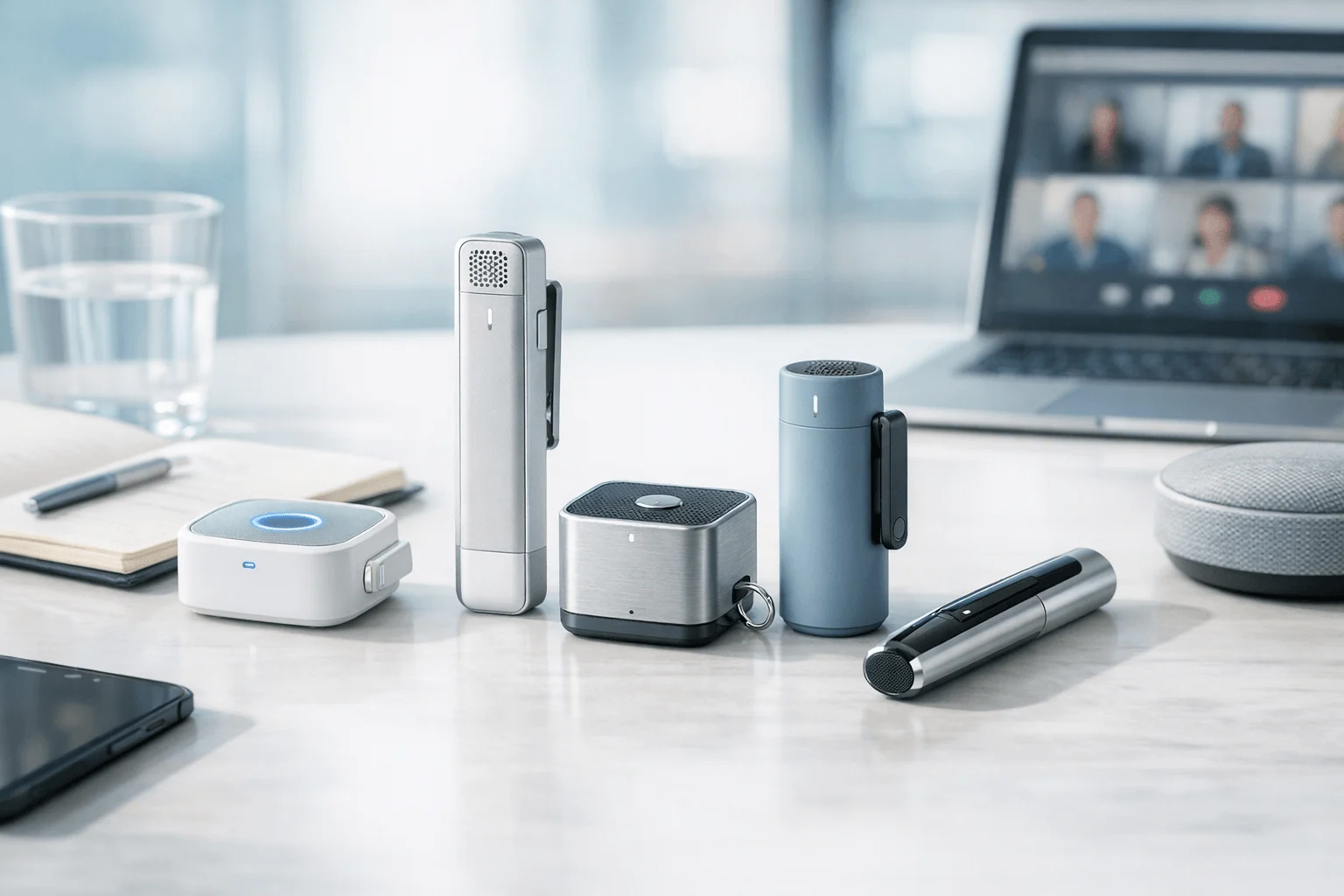
If you want the short answer, TicNote AI Voice Recorder is the best fit for most team leaders. I know the feeling: I run a 30-minute Monday standup, three 45-minute 1:1s, a 60-minute cross-functional planning call, and still find myself rewriting notes at 6 p.m. The real cost isn't just time. It's missed action items, fuzzy ownership, and follow-up scattered across Slack, docs, and calendar invites.
I compared team-leader-friendly tools and hardware by workflow fit, privacy readiness, and whether action items actually hold up a week later. My top pick for in-person, hybrid, and offline leadership capture is TicNote AI Voice Recorder. For field leadership or conference-style conversations, it's TicNote Watch. Fireflies.ai is best for remote collaboration and searchable meeting libraries, Otter.ai fits managers who want AI chat and shared notes in a familiar app, and Avoma works best for coaching-heavy or process-driven teams. This guide is built around meeting type, consent needs, and monthly team-scale usage, not feature count.
Quick picks: best AI meeting note takers for team leads
If you run a week packed with 1:1s, standups, hiring syncs, and hallway follow-ups, the best tool depends less on brand and more on where the meeting happens. I'd narrow the field fast: pick hardware-first capture if your team meets in rooms, on the move, or across devices; pick software-first tools if most conversations already live inside Zoom, Meet, or Teams.
| Product | Works best for | Why team leaders pick it | Main trade-off | Starting price or plan detail |
| TicNote AI Voice Recorder | Hybrid leaders who need bot-free room and call capture | Records in-person meetings and calls without relying on a meeting bot, with searchable transcripts and summaries | Hardware purchase upfront | $159.99, includes Plus plan with 600 transcription minutes/month |
| TicNote Watch | Mobile leaders, field managers, and execs | Wrist-based capture, Bluetooth call recording, and One-Tap Highlight for key moments on the go | Best if you actually need wearable capture | $249, includes Plus plan with 600 transcription minutes/month |
| Fireflies.ai | Remote and cross-functional teams | Strong meeting archive, search, and integrations across common meeting workflows | Depends heavily on meeting-platform workflows and plan limits | Free plan available; paid plans scale by features and usage |
| Otter.ai | Teams that want shared notes and fast recaps | Good for collaborative notes, AI chat, and quick post-meeting summaries | Weaker for offline or discreet in-person capture | Free plan available; paid plans unlock more transcription and collaboration |
| Avoma | Process-heavy managers and coaching-led teams | Structured meeting workflows, coaching context, and better support for repeat meeting processes | More setup and higher cost | Paid plans are higher than basic note takers |
If your team mixes conference rooms, phone calls, and remote check-ins, a dedicated AI note-taking device comparison gives you a clearer picture of where hardware-first tools pull ahead.
Quick picks by scenario
- Best for 1:1-heavy managers: Avoma
- Best for hybrid meetings: TicNote AI Voice Recorder
- Best secure AI meeting recorder for teams that want hardware-first capture: TicNote AI Voice Recorder
- Best for action-item follow-through: Fireflies.ai
- Best for field leaders and execs who need offline or in-person capture: TicNote Watch
5 best AI note takers for team leaders by workflow fit
The best AI note taker for a team leader depends less on raw transcription quality and more on where your meetings happen, how often you need follow-through, and whether your team will actually use the tool. I look at this through workflow fit: hybrid managers need reliable in-room capture, 1:1-heavy leaders need searchable recaps, and process-driven teams need action items that survive past Friday.
TicNote AI Voice Recorder: best for hybrid meetings and bot-free capture
I kept coming back to this setup for the manager who starts with a speakerphone budget review at 9:00, walks into an in-person performance conversation at 10:00, and still wants one searchable record by lunch. That workflow breaks a lot of app-first tools because they depend on a bot joining the meeting, a stable connection, or a laptop being open the whole time.
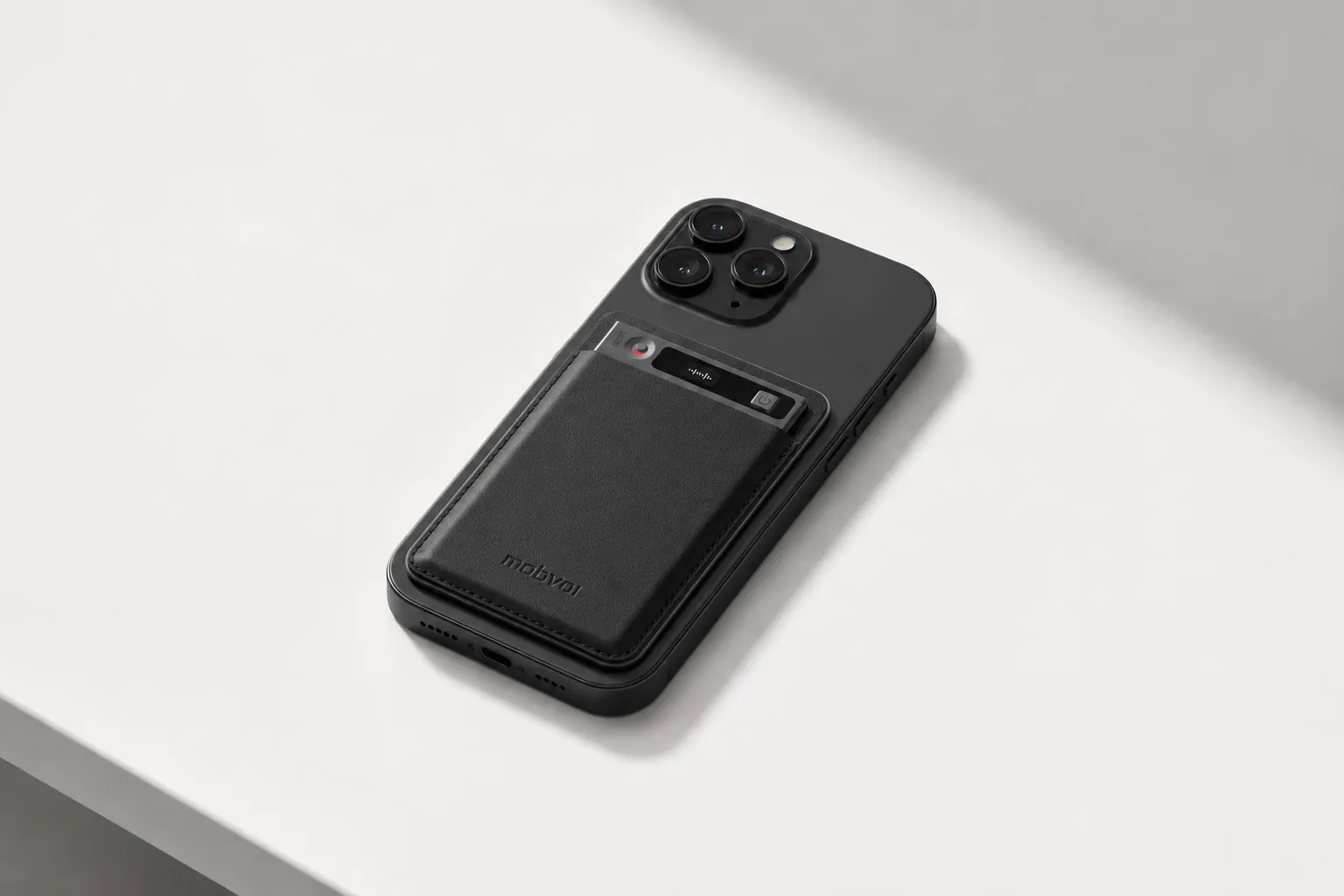
TicNote fits that gap because it records the way team leaders actually work. Earphone mode handles calls. Speaker mode handles room conversations. If Wi-Fi drops, it keeps recording offline and syncs later, which is the difference between "I think we covered that" and having the exact line in the transcript. If you want a closer look at AI note taking for calls and in-person meetings, that use case is where it stands out.
The proof is in the downstream workflow. Automatic transcripts, summaries, speaker identification, highlights, templates, and a project knowledge base make it easier to turn raw conversation into recurring team memory instead of another pile of files.
Key features
- Earphone and Speaker modes: one device for phone calls and room meetings
- 3-mic array with up to 10m pickup: useful for conference rooms and cross-functional discussions
- 25-hour battery and 64GB storage, about 434 hours: enough for a full week of leadership meetings
- 100+ summary templates and custom templates: standardizes 1:1s, standups, and performance review notes
- Ask AI and Project Knowledge Base: helps with follow-through across recurring meetings
- Notion and Obsidian export plus API access: fits ops-minded teams with existing systems
Pros
- $159.99 is lower than many team software stacks over time
- Includes Plus plan with 600 minutes per month
- Supports 120+ transcription and translation languages
- Offers 17 live languages
- Bot-free offline capture is a real advantage for private or in-room conversations
Cons
- Hardware-first workflow is more than a pure app user may need
- Heavy usage may require Pro or Business plans for extra minutes and credits
TicNote Watch: best for field leaders and instant in-person capture
Some leadership moments don't happen in scheduled meetings. They happen in a hallway at a conference, in the parking lot after a site visit, or in the 60 seconds between two calls when you finally remember the follow-up that matters.
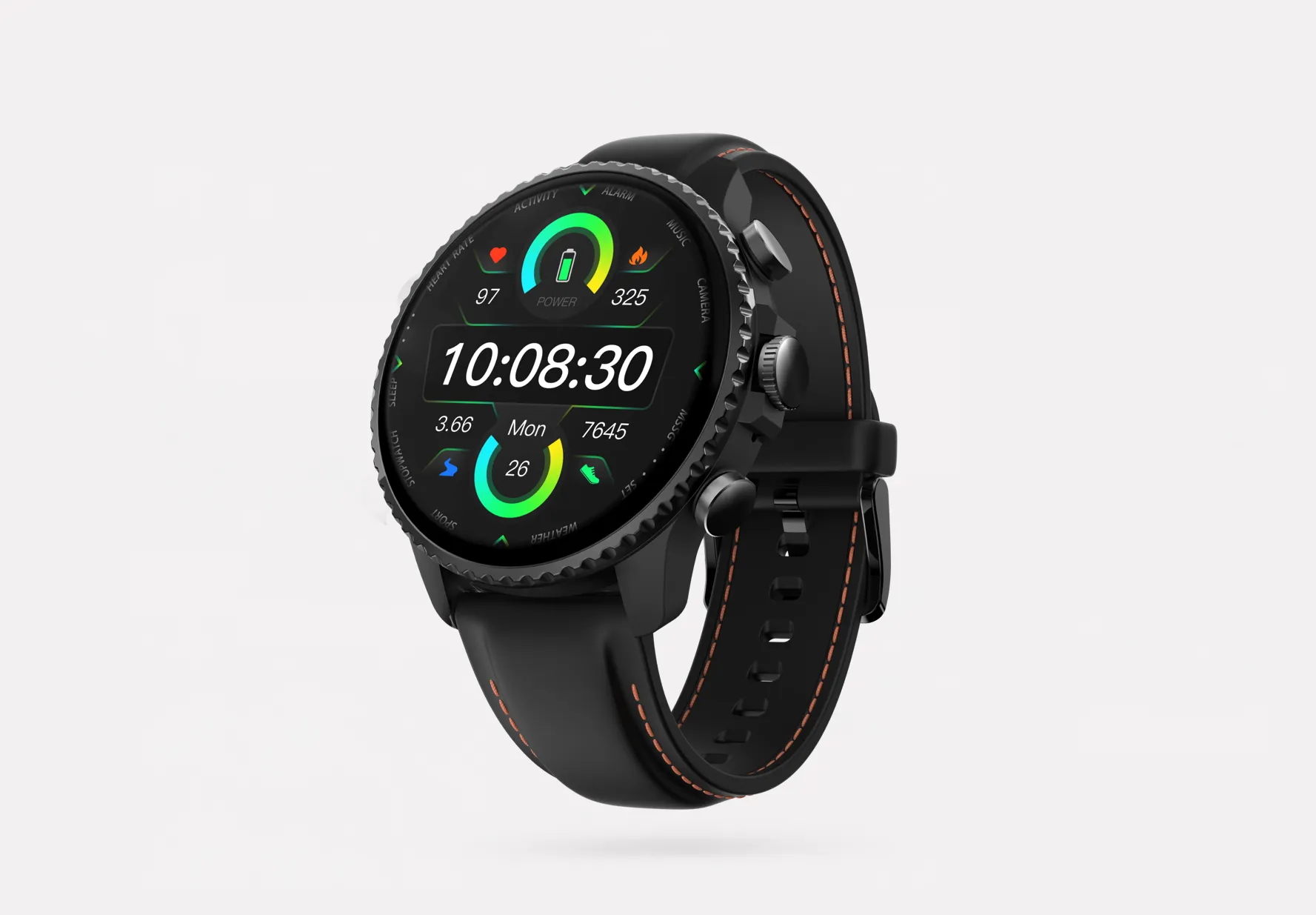
That's where TicNote Watch makes sense. The wrist-based workflow is faster than pulling out a phone, and the smartwatch recording setup for quick voice notes and meetings is built for leaders who need capture with less friction. A dedicated recording button, discreet recording mode with a red-dot indicator, Bluetooth call recording, offline highlights, and AI summaries pushed to the watch face make it practical, not gimmicky.
Key features
- One-Tap Highlight: marks key lines during a live conversation
- Random Thought capture: saves quick leadership ideas
- Over 24h continuous recording: works for event days and travel schedules
- Live transcription on wrist in 17 languages: supports immediate recall
- AI Journal and Shadow Recap: useful for leaders who review workload and meeting impact
Pros
- $249 with Plus plan and 600 minutes per month included
- Bluetooth call recording expands beyond in-person use
- 3-5m pickup is solid for close conversations
- Auto-segmentation after 5-hour files helps with long recordings
Cons
- 3-5m pickup is less room-wide than a dedicated recorder
- The health and journal layer won't matter equally to every leader
Fireflies.ai: best for remote and cross-functional meeting search
If your week is packed with Zoom check-ins, vendor calls, and project syncs across departments, Fireflies.ai is strong at centralizing what happened. I like it most for managers who need to search across a large meeting library and share clips or notes across tools after the meeting ends.
Key features
- Searchable meeting library: helps find who agreed to what
- Topic tracking and collaboration tools: useful for recurring cross-functional work
- Integrations: helpful when handoff happens across apps
Pros
- Strong remote-meeting coverage
- Good collaboration and retrieval after meetings
- Helpful for teams managing decisions across multiple platforms
Cons
- Weaker fit for offline, in-person capture
- Depends more on platform or app workflow
- Pricing and plan structure can get messy for teams
Otter.ai: best for 1:1-heavy managers who want familiar collaborative notes
For weekly check-ins, skip-levels, and follow-up conversations, Otter.ai is easy to adopt. I found it works well when a manager wants recap, search, and quick conversational follow-up without asking the team to learn a more complex system.
Key features
- AI chat over meetings: pulls decisions and points fast
- Shared notes and workspace collaboration: works well for managers and direct reports
- Multi-access workflow: supports desktop and mobile review
Pros
- Easy for teams to start using
- Strong remote use case
- Familiar collaborative note workflow
Cons
- Weaker for discreet in-person recording
- Less ideal for offline capture
- Can hit limits with heavy team-wide usage
Avoma: best for process-driven teams that want structure and coaching
Avoma fits a different kind of manager: the one running structured agendas, repeatable reviews, and coaching-driven conversations across a team. If you lead customer success, operations, or a larger department, the process depth is a real advantage.
Key features
- Structured meeting workflows: creates consistency
- Task and follow-up support: improves action-item accountability
- Analytics and coaching context: helps teams review conversations for improvement
Pros
- Strong process depth
- Better action-item structure for mature teams
- Good fit when consistency matters more than lightweight capture
Cons
- Heavier setup
- Higher price positioning
- Overkill for lighter leadership workflows
How I evaluated AI meeting assistants for managers
Most AI note taker roundups don't help managers because they overrate raw transcription and underrate what happens after the meeting. In my world, the real test comes two days later: can I find the decision from a 45-minute 1:1, pull action items from a 15-minute standup, and trust the record from a sensitive performance conversation without creating privacy headaches or runaway monthly spend?
Why generic rankings miss the point
A team leader doesn't buy an AI note taker just to get a transcript. You buy it to reduce dropped follow-ups, repeated questions, and "wait, what did we agree last week?" moments.
That's why I weighted manager outcomes more heavily than word-for-word accuracy. The best tool for leadership workflows needs to capture owners, deadlines, decisions, and context well enough that you can revisit them in one search, not re-listen to 60 minutes of audio.
The 4 decision variables for team leadership workflows
Workflow fit: I looked at whether each tool actually works across the meetings managers run most often: 1:1s, daily standups, hybrid room meetings, and phone or in-person conversations. A tool can be excellent on Zoom and still fail a field leader who needs capture away from a laptop.
Action-item reliability: This was the biggest filter. If the summary can't tell me who owns what by when, it's not saving me time. I favored tools that turn meetings into clear next steps, not vague bullet points.
Privacy and consent readiness: Managers handle sensitive topics. Internal reviews, feedback conversations, and regional recording rules all matter. I scored tools higher when the recording workflow made consent clearer and felt safer for internal use.
Team-scale cost and adoption: One manager can easily run 20 to 40 meetings a month. Roll that across five leads and a "cheap" tool gets expensive fast. I also considered whether people would actually use it consistently, because a perfect system nobody opens has zero value.
For Microsoft-heavy teams, I also looked at how these choices compare with AI note takers built around Teams workflows.
Quick comparison
These are the same criteria I use throughout the rest of this article.
| Tool | Works well when | Falls short when | Best for |
| TicNote AI Voice Recorder | You need to capture in-person meetings, phone calls, or ad hoc discussions and turn them into searchable notes fast | You want a deeply meeting-native coaching dashboard inside a sales-style workspace | Field leaders, execs, and managers who switch between desk meetings and real-world conversations |
| TicNote Watch | You want discreet, wearable capture for walking 1:1s, site visits, or hallway updates | Your workflow depends on formal conference-room setup and shared desktop collaboration | Hybrid team leads and mobile managers |
| Fireflies.ai | Most meetings happen on Zoom, Google Meet, or Teams, and you want broad bot-based coverage | You need the strongest structure for sensitive 1:1s or offline capture | Hybrid team leads running lots of scheduled meetings |
| Otter.ai | You want fast meeting notes and live summaries in a familiar interface | You need more dependable action-item follow-through across complex management workflows | 1:1-heavy managers who want simple meeting documentation |
| Avoma | You care about structured agendas, coaching, and post-meeting follow-up discipline | You need flexible capture for phone calls, field work, or offline moments | Coaching-focused department heads and process-driven managers |
How to choose the right AI note taker for 1:1s, standups, and cross-functional meetings
I'd choose this based on two things first: where the conversation happens and what has to happen after it. A manager running 20 to 30 meetings a month needs a tool that fits the real meeting environment, not the ideal one. That's why the best pick for a remote-heavy calendar often differs from the best pick for hallway check-ins, car calls, or in-person standups.
Match the tool to where leadership conversations happen
If most of your meetings are remote, scheduled, and happen inside Zoom or Google Meet, Fireflies.ai and Otter.ai make the most sense. In that setup, searchable cloud notes, shared highlights, and easy collaboration matter more than hardware capture. You want the bot to join, transcribe, and leave everyone with a record they can search later.
That changes fast when your week includes office walk-and-talks, conference rooms, speakerphone updates, or field conversations. Bot-based tools depend on the meeting platform. They don't help much when the conversation starts in a hallway or from a parked car. That's where TicNote AI Voice Recorder and TicNote Watch fit better. They can capture audio offline and don't require a meeting bot to join the call, which is the bigger advantage in hybrid leadership work. If that's your reality, it helps to compare AI note takers with dedicated in-person recording tools before you choose.
Choose based on what needs to happen after the meeting
Some managers don't struggle with remembering what was said. They struggle with what happens next.
If your real pain is missed follow-ups, weak recap emails, or action items that disappear by Friday, pick for post-meeting structure. Avoma is a strong fit for process-heavy workflows because it gives managers more consistent summaries, templates, and action-item organization. That matters in coaching cadences, hiring loops, and recurring 1:1s where the same structure repeats every week.
I'd point hybrid managers in a different direction. Explore TicNote AI Voice Recorder for hybrid leadership workflows if you want transcripts, summaries, Ask AI, a project knowledge base, and exports into Notion or Obsidian without changing how meetings are run. That's the practical trade-off: less dependence on meeting bots, more flexibility across real-world conversations.
Budget for realistic monthly usage at team scale
A single manager with 25 meetings a month has a different cost profile than a department with six leads and daily cross-functional syncs. TicNote hardware includes the Plus plan with 600 monthly minutes, and heavier users can move to Pro at $79 per year or Business at $239 per year per hardware user. That pricing is easier to justify when meetings happen across rooms, phones, and in-person settings.
Cloud-first platforms can still win on value if your team gets real benefit from remote collaboration features. My rule of thumb is simple: for 1:1-heavy managers, choose Otter.ai; for hybrid team leads, choose TicNote AI Voice Recorder; for field leaders, choose TicNote Watch; for cross-functional remote teams, choose Fireflies.ai; and for structured coaching workflows, choose Avoma. If your leadership work happens on the move, you can see TicNote Watch details for on-the-go leadership notes.
See how TicNote fits day-to-day meeting capture for managers
Conclusion: the best AI note taker is the one your team will actually use
I'd make this decision based on where my real leadership conversations happen, not which tool has the longest feature list. If most of my week is Zoom 1:1s and remote standups, an app-first note taker is usually the practical choice. If I'm bouncing between conference rooms, skip-levels, hiring loops, and hallway follow-ups, hardware-first tools like TicNote AI Voice recorder often do a better job because they capture hybrid, in-person, and offline conversations more reliably.
That's the tradeoff. No single tool wins every meeting. The best choice is the one that matches how sensitive your conversations are, how often consent and privacy come up, and whether action items actually make it into the next week's follow-through.
Here's a fast next step: pull up the last 10 meetings you ran, sort them into remote, in-person, and hybrid, then test one tool against the format you use most. If you're weighing device-first versus app-first note taking, start there. And if you need an always-with-you recorder for leadership meetings, calls, and hybrid workflows, TicNote is worth a look.