


 Extension


Choose earbuds for students around the task you use them for most: listening to lectures, joining online classes, commuting or working out. Comfort and device compatibility matter across those routines. These six options offer different listening and recording features, with specific reasons to consider each rather than a universal performance ranking.
Which earbud features matter for your student routine?
Prioritize microphone connections for online classes, noise control for noisy listening spaces, and fit for long sessions. Recording discussions is a separate requirement: ordinary playback and call microphones do not necessarily provide a way to save conversations.
Active noise cancellation (ANC) reduces surrounding noise during playback. It can be useful on a bus or in a shared room, but it does not remove every voice or sudden sound. In a quiet study space, comfortable wearing and clear playback may matter more than stronger noise control.
Six earbud options for different student needs
These picks cover conversation recording, sealed ANC listening, open-ear wearing and workouts. Compare the one that matches your main task first, then check its fit, compatible features and current price. The order is not a ranking based on independent comparative testing.
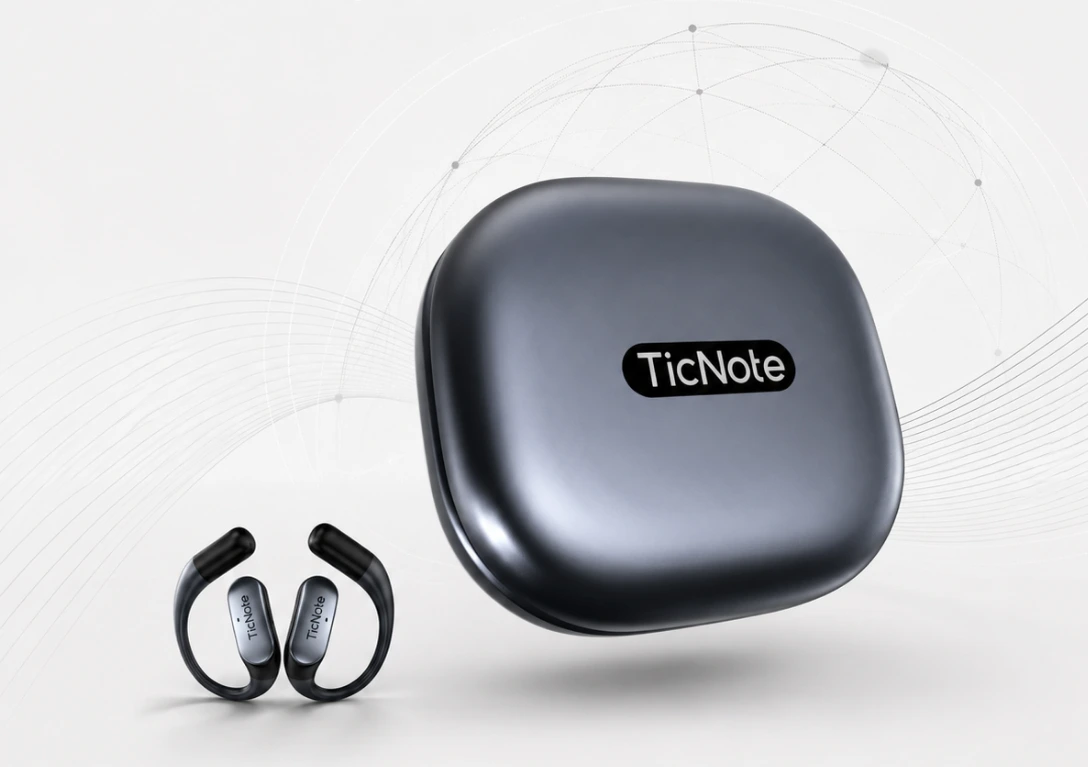
TicNote Pods WiFi: For revisiting recorded discussions
TicNote Pods WiFi is an option for students who want to save permitted interviews, group discussions or calls and return to their details. The earbuds record calls, while the charging case records in-person conversations. That adds a different purpose from simply listening to music or lecture recordings.
Pods can record offline and store audio locally. Syncing and cloud AI processing require an internet connection; afterward, transcripts help you revisit the wording, summaries bring together main points, and Ask AI supports questions about saved content. Those tools are for reviewing the material you captured, not a guarantee of accurate notes or improved grades.
For an in-person class, recording uses the case, not simply earbuds worn in your ears. Obtain the required permission, follow school policies and consider where the recorder can be placed; do not assume it will capture a distant lecturer clearly. If you only need music and online-class playback, recording need not be part of your purchase.
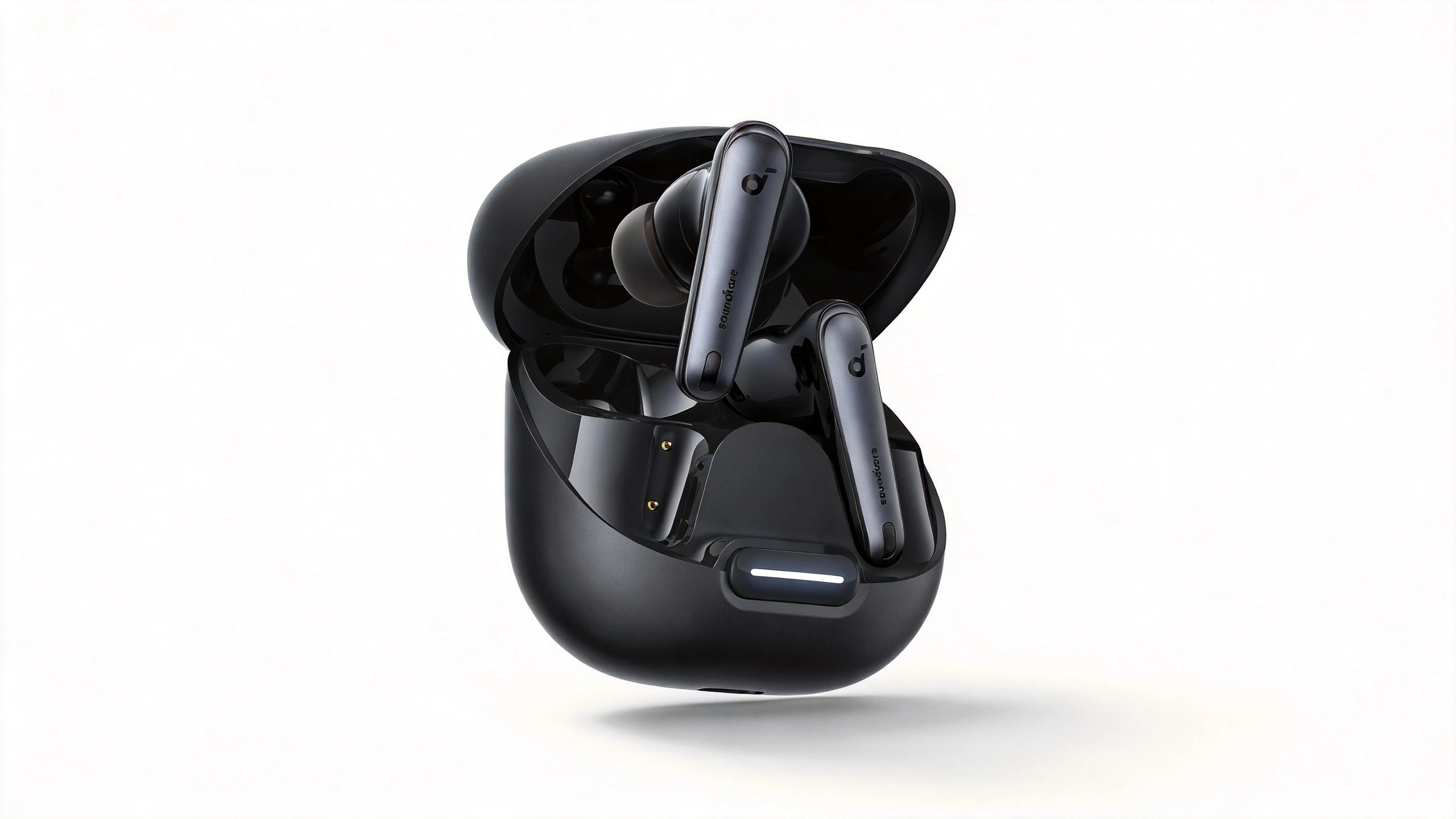
soundcore Liberty 4 NC: For noise control and laptop-phone use
soundcore Liberty 4 NC suits a shortlist for students who listen in shared spaces and use both a laptop and phone. Adaptive ANC addresses surrounding playback noise, while multipoint connection lets the earbuds connect to two devices. That can reduce manual reconnection when your listening moves between coursework on a laptop and a phone call.
Multipoint does not mean mixing two audio streams simultaneously. The model also supports wireless charging for topping up the case, but its sealed in-ear fit still needs to suit you. Advanced audio settings such as LDAC, a Bluetooth audio codec, depend on device support and connection-mode settings; prioritize the configuration you will actually use over the longest feature list.
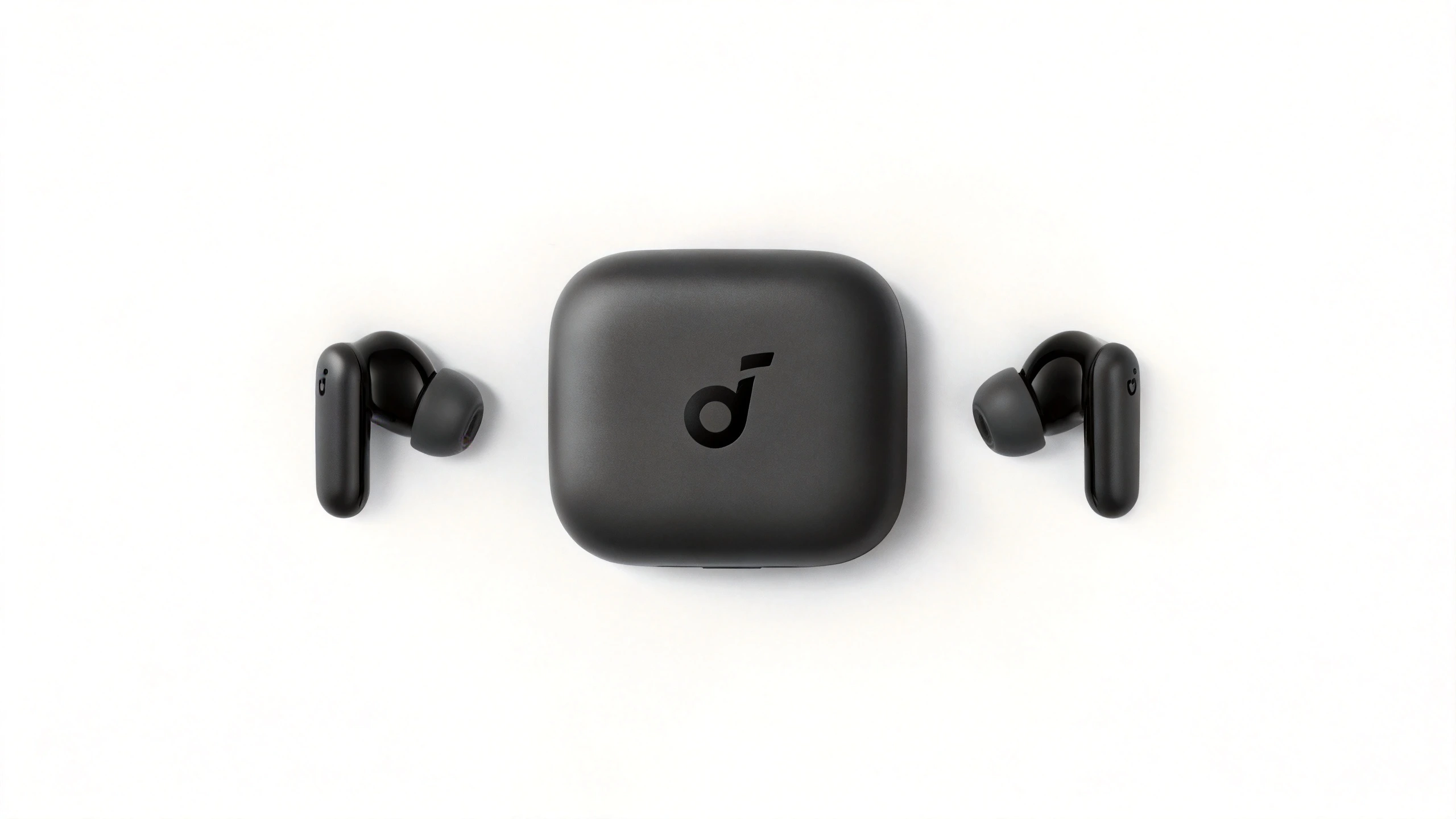
soundcore P30i: For everyday campus listening
soundcore P30i combines ANC, a transparency mode and a charging case that doubles as a phone stand. It is a candidate for students who want noise control for listening and a small desk-side convenience for phone videos. The stand gives the case a use beyond charging between sessions.
Transparency mode lets surrounding sound through when you want to hear a nearby conversation or announcement. It does not guarantee awareness in every setting, and ANC does not make a shared room silent. Compare the features you need with Liberty 4 NC rather than assuming similarly branded earbuds have identical device connections or charging options.
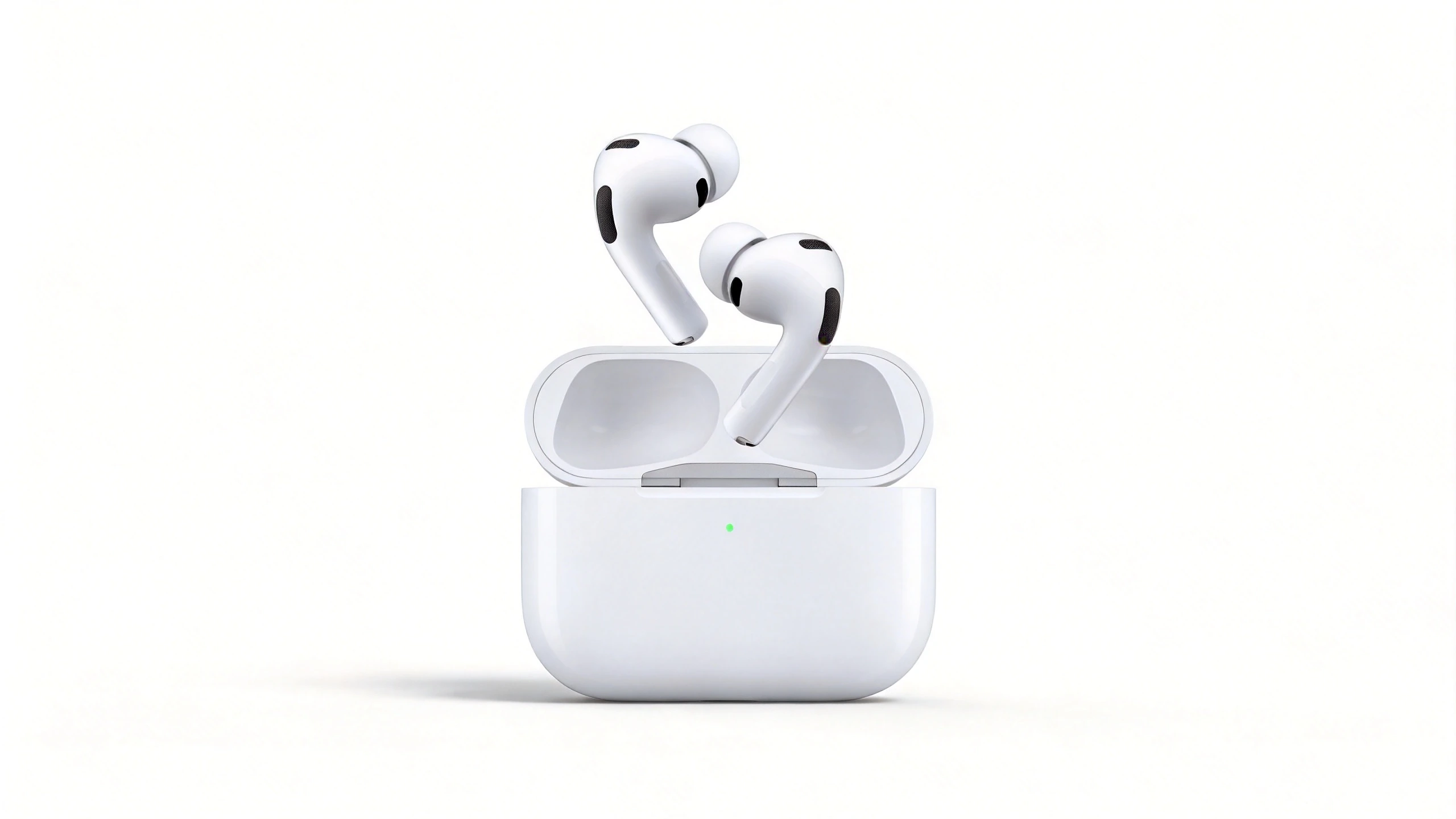
AirPods Pro 3: For students using compatible Apple devices
AirPods Pro 3 is an option for students already using compatible Apple devices who want sealed in-ear listening with ANC. The supplied ear-tip sizes provide ways to try the fit, while transparency-related features offer a different listening mode when surrounding sound matters.
Check the device and software requirements for the particular Apple features you want. Apple-device integration is not the same as generic multipoint across any laptop and phone. A suitable ear-tip seal and a budget you are comfortable with are more relevant to everyday use than buying every additional health or translation feature.
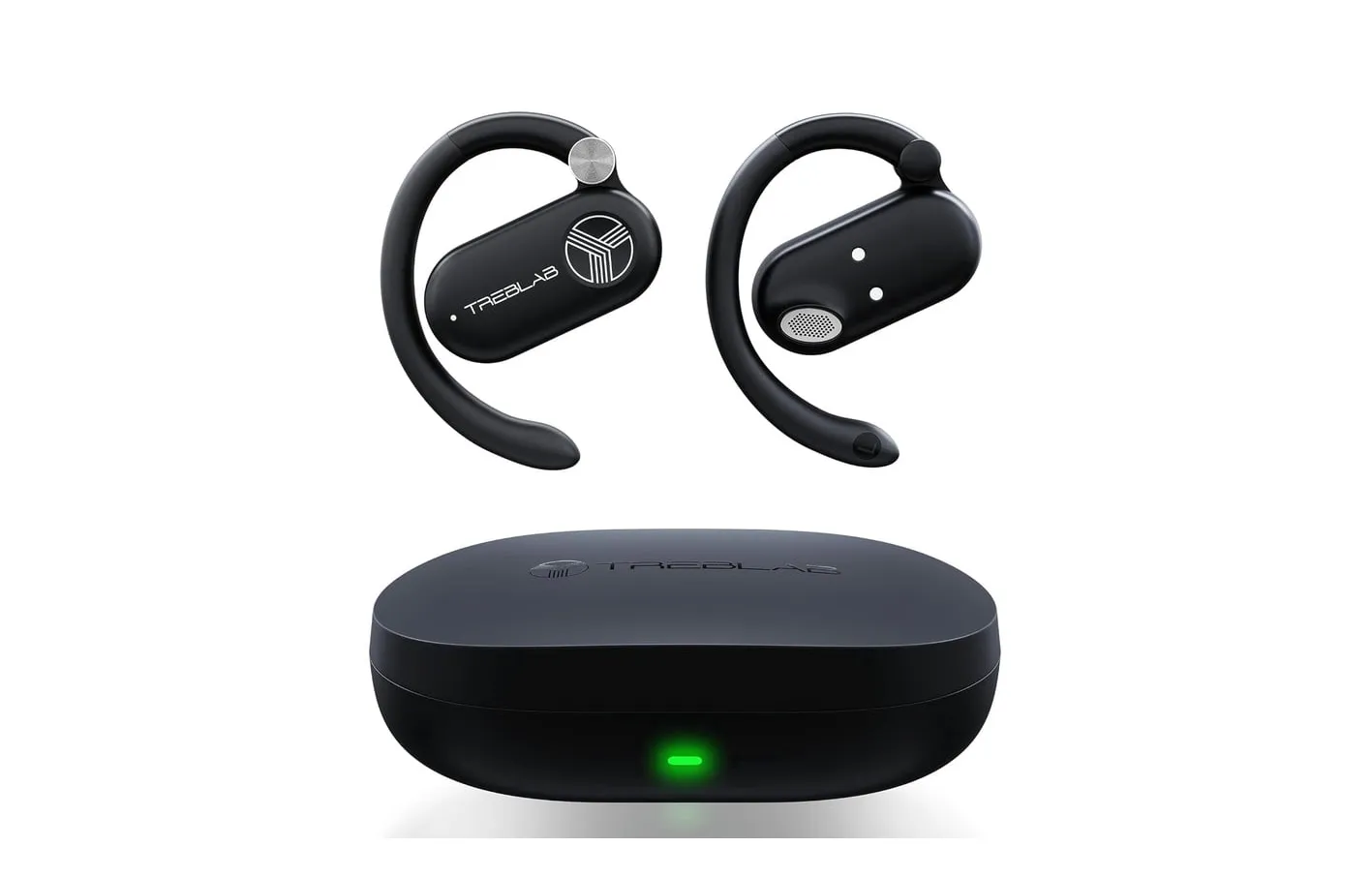
TREBLAB X-Open: For open-ear campus listening
TREBLAB X-Open is an option if you dislike sealing your ear canals and prefer an open-ear wearing design. It leaves more surrounding sound available while you listen, making it a different choice from sealed ANC earbuds. Consider it for everyday listening where you do not need strong isolation.
The model does not offer listening ANC. Open-ear wearing can suit your preferences, but it does not guarantee comfort for an entire day or safe navigation near traffic. In a noisy environment, consider whether the available listening experience suits you rather than compensating by continually increasing the volume.
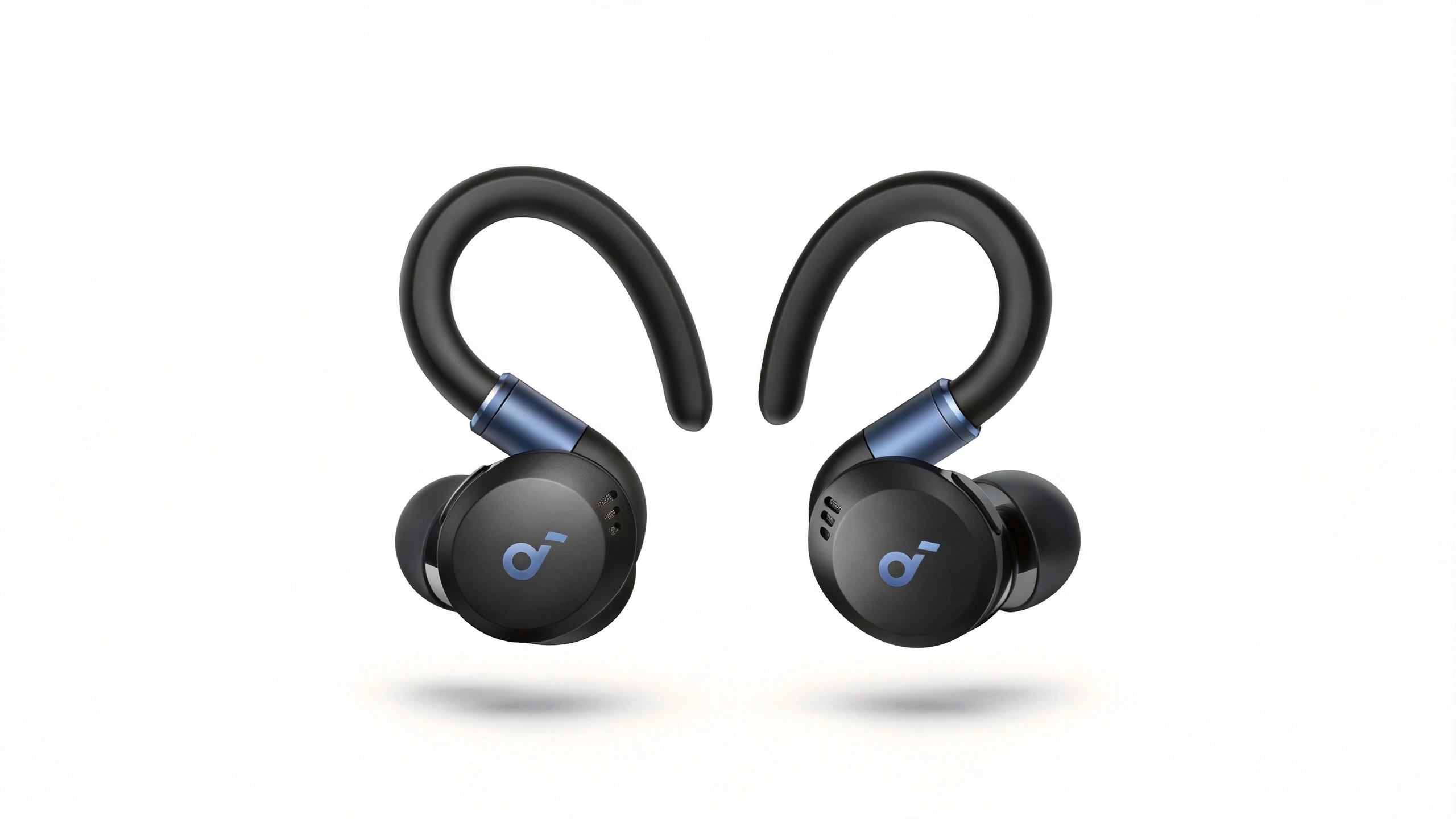
soundcore Sport X20: For regular campus workouts
soundcore Sport X20 uses adjustable ear hooks for students who want supported wearing during regular runs or gym sessions. You can adjust the hooks and try the ear tips to find a fit that works with your movement. Adaptive ANC provides another option for listening when you do not need surrounding sound.
The model has an IP68 protection rating, but that should not be treated as permission to swim with Bluetooth earbuds. Check the manufacturer's use and care instructions, and try the hooks with glasses if you wear them. For mostly desk-based use, decide whether the hook design is something you want to carry and wear outside workouts too.
How do ANC, call noise reduction and recording differ?
ANC changes what you hear, call-microphone noise reduction changes what the other person hears, and recording saves audio for later. A product offering one of these functions does not automatically offer the others.
- Listening ANC: Uses electronic processing to reduce surrounding sound during playback. Performance depends on the noise, fit and design; it does not guarantee complete silence.
- Passive isolation: Reduces sound through physical sealing, such as a fitted ear tip. It is not the same as electronic ANC.
- Call-microphone noise reduction: Processes microphone audio sent to a caller or meeting. Some brands label this ENC, but terminology and implementation vary.
- Recording: Saves audio through a supported product or app workflow. Transcription and summaries are additional processing steps, not capabilities to assume from an earbud microphone alone.
For an online class, test the actual microphone connection in your meeting app. For an in-person discussion you want to save, verify the recording method and permission instead. These are different decisions even when one product supports both uses.
What should you check before buying student earbuds?
Set your spending limit, then check personal fit, your actual devices and the longest session you need to cover. Compare Black Friday tech deals only after identifying a suitable model; a lower price does not resolve an incompatible connection or uncomfortable fit.
- Try the wearing design. Check ear-tip sizes or hook adjustment without assuming the same size suits both ears. Read the seller's policy on opened earbuds before relying on a return.
- Test the class connection. Connect to your real laptop and meeting app, select the correct microphone and speakers, and make a test call. Microphone count alone does not establish how clearly classmates will hear you.
- Separate single-charge and case battery life. Your longest uninterrupted class or call needs enough battery in the earbuds themselves. A charging case can replenish them between sessions, but cannot extend a session without a charging break; listening and call modes may have different figures.
- Compare the exact purchase. Match model, configuration and seller, including warranty, replacement tips or accessories and any optional software costs. Recheck prices rather than assuming a back-to-school offer is still active.
- Confirm recording rules. Before capturing a class, interview or group discussion, follow applicable law, school policy and participant requirements. A useful recording workflow does not replace permission.
If you are also considering a headband-and-earcup design, our headphone and earbud buying guide explains other wearing formats. The right format depends on your preferences and how you carry it, not on whether earbuds are universally better.
Choose earbuds for the part of your day that matters most
Choose for your most frequent task, then confirm the wearing fit and connection requirements. Listening ANC, open-ear wearing, exercise hooks and conversation recording solve different needs. Whether buying for yourself or choosing Christmas gifts for a student, paying for unused functions is less helpful than matching the earbuds to the wearer's existing routine.