


 Extension

TL;DR: Which AI note taker is best for financial advisors?
I've had those days where a 45-minute annual review rolls into a 30-minute prospect discovery call, and by 5:30 p.m. I still haven't logged two follow-up tasks in the CRM. That's why advisors need more than a clean transcript. We need better documentation discipline, clear privacy controls, and outputs we can actually use after the meeting.
In this guide, I compare seven tools by capture method, compliance posture, CRM workflow fit, and implementation effort. The short answer: TicNote AI Voice Recorder is the best fit for advisors who want discreet hardware capture for in-person meetings and phone calls, Jump is best for firms focused on advisor CRM note automation, and Zocks stands out for teams that prefer a no-recording workflow. I'll break down which one fits solo advisors, RIAs, hybrid firms, and larger multi-advisor teams. For most financial advisors, the best AI note taker is TicNote AI Voice Recorder because it captures real meetings reliably and turns them into usable notes without adding workflow friction.
Quick picks: best AI note takers for financial advisors
The market changed fast. I'd shortlist tools based on one question first: do you need to capture the actual conversation, or do you need clean notes pushed into your CRM after the meeting? If you want the fast answer before the full breakdowns, this table gives you the seven strongest options by advisory workflow, with the trade-off that matters most.
If in-person capture is part of your day, it also helps to understand when dedicated hardware beats app-only meeting notes before you commit.
| Tool | Best for | Capture style | Compliance angle | Pricing signal | Main trade-off |
| TicNote AI Voice Recorder | Advisors who need discreet client-call and in-person capture | Hardware device | Encrypted recordings and user-controlled sync | $159.99 device plus included Plus plan | Not advisor-CRM-native |
| TicNote Watch | Advisors who move between hallway chats, quick call notes, and office meetings | Smartwatch hardware | Encrypted recordings with optional sync | $249 device plus included Plus plan | Shorter pickup range than card-style hardware |
| Jump | Teams focused on CRM note automation after client meetings | Meeting assistant software | Positioned around advisor workflow automation | Pricing typically vendor-led | Implementation depends on CRM process maturity |
| Zocks | Compliance-conscious RIAs that prefer a no-recording workflow | Meeting assistant software | Emphasizes compliance-minded capture without storing recordings | Pricing usually custom | Less useful if you want full audio archive |
| Zeplyn | Advisors who want planning-aware notes | Meeting software | Positioned around financial planning context | Pricing vendor-led | Narrower capture flexibility |
| Wealthbox AI | Wealthbox-centric firms | Native CRM AI layer | Strongest when you already live in Wealthbox | Pricing tied to platform context | Ecosystem dependence |
| ChatGPT or Claude | Drafting follow-ups from approved notes and transcripts | General AI tool | Depends on your firm's data policy | Subscription pricing varies | Not purpose-built meeting recorders |
My quick take: TicNote AI Voice Recorder is the best fit for advisors who meet clients across offices, phones, and conference rooms because it solves the hardest problem first, reliable capture, and then turns that into transcripts and summaries. If your firm is more focused on post-meeting CRM automation than recording flexibility, Jump or Zocks will usually make more sense.
7 best AI note takers for financial advisors
I'd organize this list by advisor workflow, not by a generic feature score. That matters because a solo advisor handling in-person reviews has a different note-taking problem than an ops-led RIA trying to push standardized meeting notes into CRM records. So each pick below uses the same scorecard: capture reliability, compliance controls, post-meeting usefulness, and rollout effort.
TicNote AI Voice Recorder, best for advisors who need discreet client-call capture and searchable records after every meeting
If I were a solo advisor or part of a small RIA, this is the setup I'd want when my day shifts from a conference-room review to a client phone follow-up 20 minutes later. I don't want one workflow for in-person meetings and another for calls. TicNote fits that reality because Earphone mode magnetically attaches to a phone to record and transcribe calls, while Speaker mode captures the room without changing devices.
That matters more than a long feature list. The hardware gives you a 3-mic array with pickup up to 10m, 25-hour battery life, and 64GB of local storage, or about 434 hours of recordings. It can record offline and sync later, then turn each session into a time-stamped transcript with automatic speaker identification, AI summaries from 100+ templates, and a Project Knowledge Base you can search later across meetings. For advisor use, the Finance Assistant is the standout extra because it can analyze financial documents and generate reports, budgets, or expense summaries. TicNote Connecting also lets ChatGPT or Claude access your TicNote data directly, which makes post-meeting drafting faster. If you want a deeper look at the category, this guide to AI recorders for meetings and calls is useful context.
You can Check TicNote AI Voice Recorder if your priority is one device for both room meetings and phone calls.
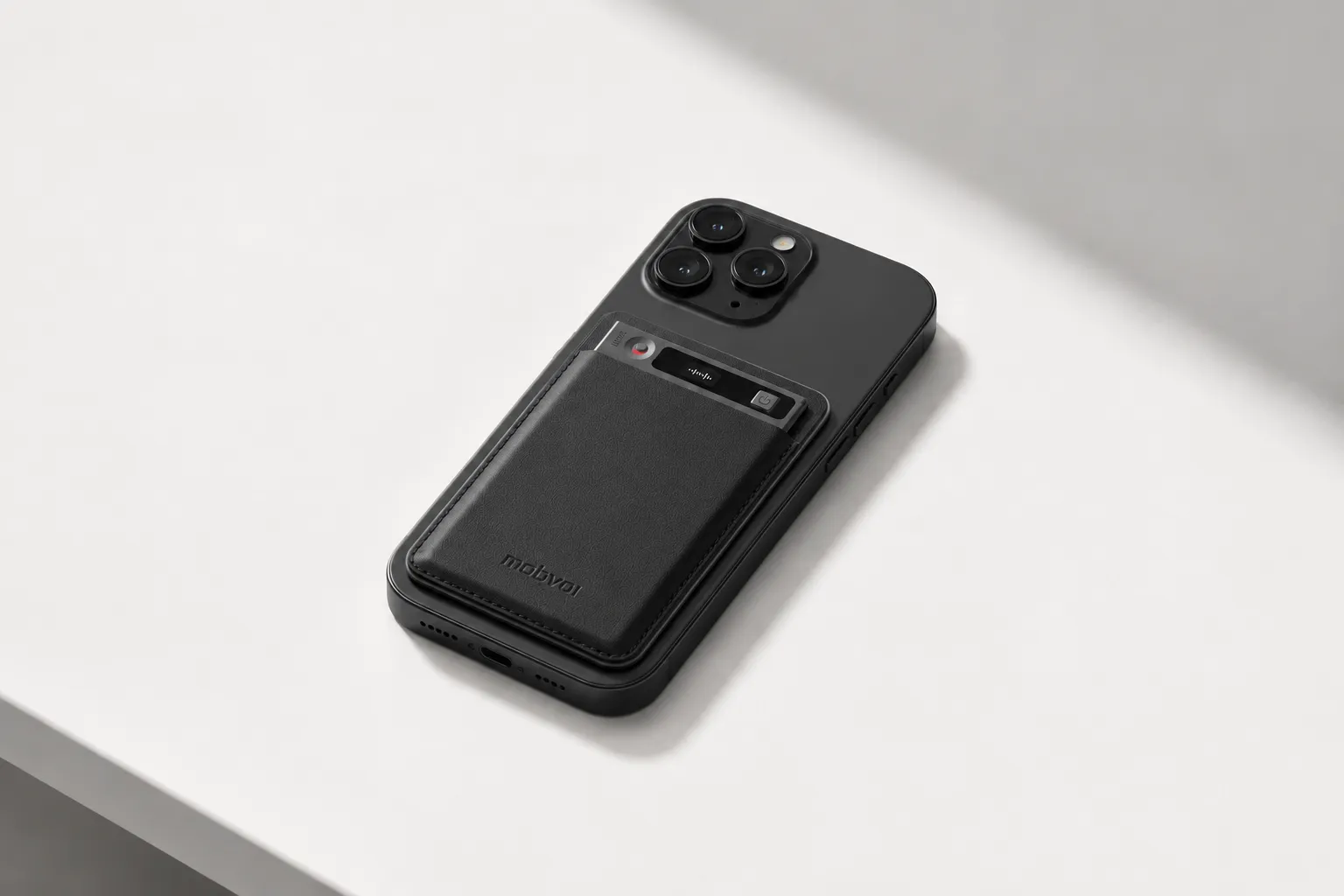
Key features: Earphone mode, Speaker mode, 3-mic array, automatic speaker identification, Project Knowledge Base, Finance Assistant, TicNote Connecting, export to Notion and Obsidian.
Pros: $159.99 hardware price, free Plus plan for hardware users with 600 transcription minutes and 1,500 monthly credits, 25-hour battery, 64GB local storage, support for 120+ transcription and translation languages.
Cons: CRM-specific automation isn't native in the provided data, firms still need to validate recording policy fit, and heavier usage may require Pro or Business plans.
TicNote Watch, best for advisors who want a wearable AI meeting recorder for client calls and quick notes between meetings
Some advisors don't lose details in formal reviews. They lose them in the two minutes after the review, in hallway conversations, and during quick callbacks between appointments. If that's your day, pulling out a phone or card recorder every time gets old fast. TicNote Watch works because the dedicated top recording button makes capture immediate, and Discreet Recording Mode keeps recording visible with a persistent red-dot indicator.
It also handles Bluetooth call recording, live transcription on the wrist in 17 languages, and One-Tap Highlight so you can mark a key sentence mid-meeting without stopping the conversation. Afterward, AI summaries can be pushed to the watch face. The device adds a different layer of context too: AI Journal is an auto-generated timeline that combines meetings, exercise, sleep, and health data; Shadow Recap connects changes in stress, heart rate, and sleep to meetings recorded during that period; and READINESS is a morning score based on sleep, heart rate, and stress. For advisors moving all day, that's useful for spotting which client blocks create follow-up friction or fatigue.
You can Learn more about TicNote Watch if you want capture available from your wrist instead of another device in your pocket.
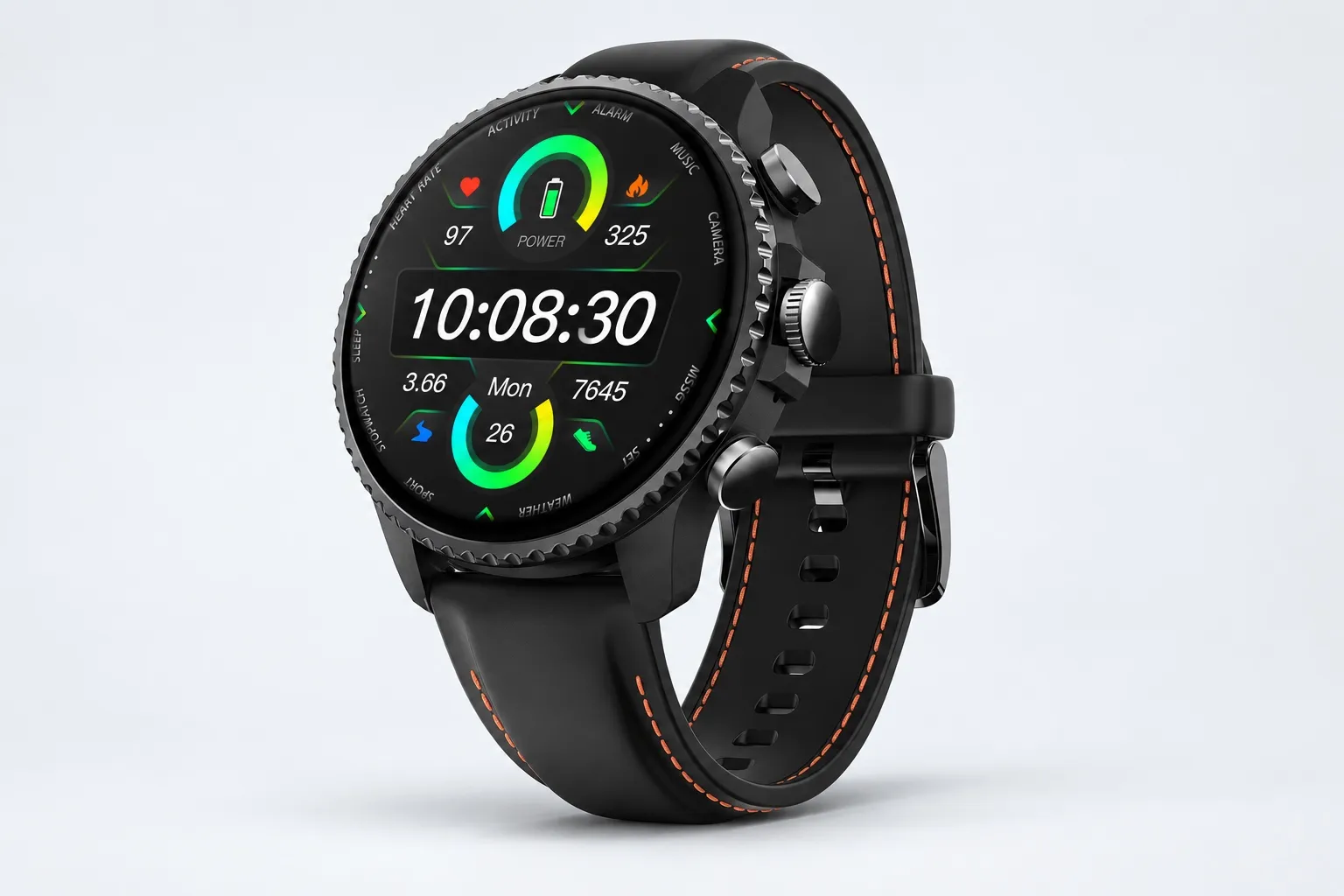
Key features: Dedicated top recording button, Bluetooth call recording, One-Tap Highlight, AI Journal, Shadow Recap, READINESS, dual omnidirectional mics with 3-5m pickup, 24-hour heart rate, SpO2, stress, sleep monitoring, 100+ sports modes, built-in GPS.
Pros: $249 price, over 24 hours of continuous recording, 14-day standby, 600 included transcription minutes on Plus, summaries viewable on the watch face.
Cons: 3-5m pickup is shorter than the card recorder's 10m, single files auto-segment after 5 hours, and some firms may see a smartwatch as a narrower fit for formal conference-room capture.
Jump, best for advisor teams who want meeting notes to flow into CRM records with less manual entry
If I were running an advisor team with operations support, I'd care less about hardware capture and more about getting notes into the CRM without creating another admin step. Jump is strongest in that kind of meeting-heavy environment. Its core appeal is CRM note automation tied closely to advisor workflows.
Key features: CRM note automation, meeting-centered workflow fit, team-oriented use.
Pros: Strong alignment for firms standardizing post-meeting documentation.
Cons: Less fit for in-person offline capture, and pricing is generally sales-led based on available data.
Zocks, best for RIAs who want a compliant AI note taker without keeping recordings
Some firms are comfortable with AI-generated notes but not with storing audio archives of every client conversation. That's where Zocks stands out. It's often chosen for compliance-oriented positioning and can fit firms that want structured meeting notes without retaining recordings.
Key features: No-recording workflow orientation, compliance-minded positioning, meeting note generation.
Pros: Relevant for firms prioritizing retention control and supervision comfort.
Cons: Less useful when advisors want to revisit exact audio later, and pricing is likely custom.
Zeplyn, best for advisors who want meeting notes that understand financial planning conversations
If your meetings revolve around goals, recommendations, objections, and planning context, a general meeting bot can miss what matters. Zeplyn is positioned around meeting notes that understand financial planning conversations better than broad horizontal tools.
Key features: Planning-aware note generation, advisor-specific context.
Pros: Specialization for planning-heavy conversations.
Cons: Narrower flexibility than a hardware-plus-workspace approach, and pricing is vendor-led.
Wealthbox AI, best for firms already standardized on Wealthbox and wanting lighter-friction note support
Sometimes the best answer isn't the most flexible tool. It's the one that keeps advisors inside the system they already use all day. Wealthbox AI makes the most sense when your firm is already committed to Wealthbox and wants note support inside that CRM environment.
Key features: In-CRM workflow convenience.
Pros: Low context switching for existing Wealthbox users.
Cons: Lock-in to a specific ecosystem and less relevance for firms with mixed stacks.
ChatGPT and Claude, best for advisors who need AI transcription follow-up drafting from approved notes rather than a dedicated meeting recorder
I'd treat these as drafting engines, not advisor-ready note takers. They're useful when you already have approved notes and want to turn them into recap emails, prep memos, and task lists fast. They are not compliant AI note takers for RIAs by default, and they do not replace capture hardware or purpose-built meeting workflows.
Key features: Prompt-based summarization, document drafting.
Pros: Flexible across many writing tasks.
Cons: Not compliant advisor note takers by default, don't replace capture hardware or structured meeting workflows, and must only be used with client data under firm policy.
How I evaluated AI meeting note takers for advisors
Most lists in this category reward the tool with the prettiest summary. I don't. For financial advisors, the real test is whether a note taker fits supervision, retention, and CRM follow-up without creating new policy risk. That's why I weighted capture flexibility, approval controls, and downstream workflow more heavily than transcript polish alone.
Why most AI note taker lists do not help financial advisors
A generic meeting app review usually asks one question: did it summarize the Zoom call well? An advisor's workflow is tougher. You may need to document a 60-minute annual review, preserve suitability details, decide whether audio should be retained at all, and push clean next steps into the CRM before the next client arrives.
That gap matters. FINRA has repeatedly emphasized books-and-records, supervision, and communications retention obligations, while the SEC's marketing and recordkeeping focus has pushed firms to document process, not just output. A tool that sounds smart but adds uncontrolled recordings, weak approval steps, or copy-paste work can create more operational drag than it removes.
The 4 decision variables for advisor meeting notes AI
Capture method is how the tool actually fits the day: scheduled video calls, in-person reviews, cell phone conversations, or quick follow-ups in the hallway. If it only works inside calendar-based online meetings, many advisor interactions are missed.
Compliance controls means consent, retention, privacy, approval, and whether your firm is comfortable storing recordings. Some RIAs want full audio review. Others prefer notes without retained audio.
Workflow output means what you can do after the meeting: transcript, summary, action items, searchable history, and whether the result lands inside your real stack instead of another inbox. If useful, I also compare device-based capture versus app-based capture because that choice changes the workflow more than most firms expect.
Rollout effort is the cost of adoption in time, not just money. A solo advisor can tolerate more manual setup than a 20-advisor office that needs policy review, training, and repeatable usage.
Quick comparison
| Tool | Works well when | Falls short when | Best for |
| TicNote AI Voice Recorder | Advisors need one hardware recorder for client calls and conference-room meetings | The firm wants CRM-native automation first | Solo advisors and small RIAs needing flexible capture |
| TicNote Watch | Advisors need wearable capture and quick highlights between meetings | Long boardroom pickup range matters most | Mobile advisors and business development-heavy teams |
| Jump | CRM follow-up is the bottleneck | Offline or discreet hardware capture matters | Multi-advisor teams with standardized CRM usage |
| Zocks | Firms prefer notes without retaining recordings | Exact audio review is important | Compliance-sensitive RIAs |
| Zeplyn | Planning context matters most | Capture flexibility matters more than specialization | Planning-led advisors |
| Wealthbox AI | The CRM is already Wealthbox | The stack is mixed | Wealthbox-first firms |
| ChatGPT or Claude | Advisors are drafting from approved material | Firms need an AI meeting recorder for client calls | Advisors using AI as a controlled writing layer |
How to choose the right AI note taker for your advisory workflow
I'd make this decision by starting with three questions: where do advisor conversations actually happen, what has to happen after every meeting, and how strict are your firm's rules on audio retention and approval. That frame is more useful than a generic feature checklist because a solo advisor doing six client reviews a week has a very different capture problem from an RIA ops lead trying to standardize CRM notes across 20 advisors.
Pick capture-first tools when meetings happen everywhere
If most of your client conversations happen in person, on a cell phone, or in a mix of office reviews and field meetings, I'd prioritize fast hardware over browser-based software. Advisors in that setup need something discreet that starts in seconds and doesn't depend on every conversation happening inside Zoom.
That's where TicNote fits best. The AI Voice Recorder is the stronger choice when the same advisor needs Earphone mode for phone calls, Speaker mode for room conversations, 25-hour battery life, and a searchable Project Knowledge Base for finding a tax-planning comment from three weeks ago. If that's your workflow, it's worth taking a closer look at advisor meeting capture options, and you can also Explore TicNote for advisor meeting capture.
If you're highly mobile, TicNote Watch is the better fit. A wrist-based recorder with One-Tap Highlight, Bluetooth call recording, and watch-face summaries is simply easier to use when you're moving between branches, lunches, and prospect meetings.
Choose workflow-first software when CRM updates are the real bottleneck
Some firms don't struggle with capture. They struggle with what happens in the 15 minutes after every review meeting.
In that case, Jump is the better pick when operations leaders care most about pushing structured notes and follow-up data into CRM records. Wealthbox AI is the simpler path when the firm already lives inside Wealthbox and wants less implementation work. ChatGPT or Claude can help as a drafting layer, but only after approved notes exist. They are not a governance system by themselves.
Let your retention model decide when compliance is tight
If compliance is wary about retaining client audio, choose by retention model first. Zocks deserves priority when the firm wants a compliant AI note taker for RIAs and prefers to minimize reliance on stored recordings. Zeplyn fits firms that want planning-aware notes and can live with a narrower specialization.
My buyer checklist is simple: confirm consent rules, storage location, retention period, approval workflow, export controls, and whether advisors can connect outside AI tools. TicNote's privacy posture is strong here: encrypted recordings, user-controlled sync, and TicNote Connecting if your firm intentionally wants ChatGPT or Claude to access approved TicNote data instead of relying on manual copy-paste.
Conclusion: the best AI note taker depends on your capture and compliance model
I wouldn't choose an AI note taker for my advisory practice based on who writes the prettiest summary. The highest-ROI option is the one that fits how meetings actually happen, how notes get reviewed, and how the final record lands in the CRM or client file without adding extra clicks.
That's why the shortlist breaks cleanly by operating model. TicNote AI Voice Recorder fits advisors who need one setup for both phone calls and in-room reviews, with dual capture modes, 25-hour battery life, and storage for roughly 434 hours. TicNote Watch makes more sense if you're mobile and need to capture hallway conversations, client lunches, or quick follow-ups without pulling out a device. Jump is the better fit for CRM-centric teams. Zocks is a smart choice for firms that want to minimize recording retention. Zeplyn works well for planning-heavy workflows. Wealthbox AI is the obvious pick for Wealthbox-first firms. ChatGPT or Claude still have a place for controlled drafting after the fact, especially if your team prefers human-approved source notes.
My practical next step is simple: map one real quarterly review workflow from capture to approval to CRM entry, then cut any tool that breaks policy or adds manual work. If you want a broader comparison outside advisory workflows, this guide to AI note takers for consultants shows how capture style changes the right pick.